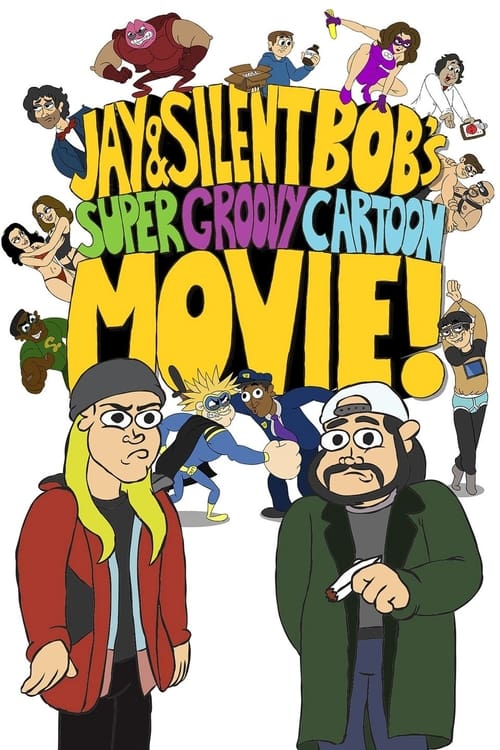
Jay and Silent Bob's Super Groovy Cartoon Movie
2013
No user ratings available yet
Representation score: 3.9 out of 10
Representation Score
Limited
2012
TV-MADirector
Alejandro Lozano
Runtime
96 minutes
Average Rating
No ratings yetNew Showbiz Analysis
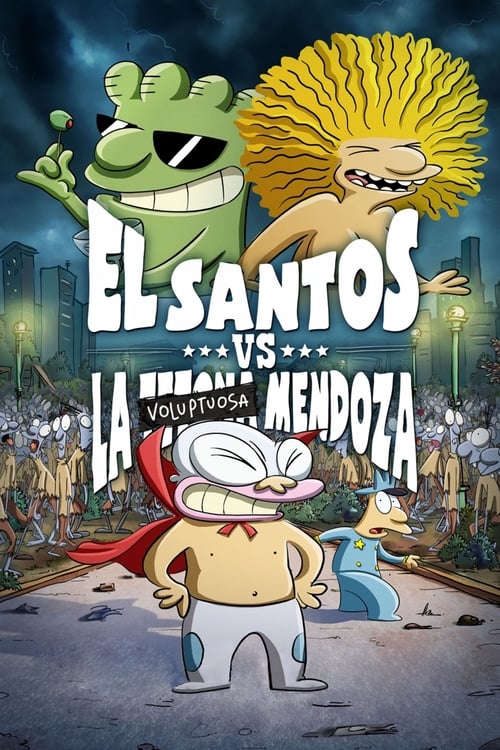
El Santos vs la Tetona Mendoza primarily functions as a genre-driven comedy focusing on satire and exploitation. While it avoids Western-centric homogeneity by using a specific regional setting, it lacks deep characters who reflect more than one aspect of diversity. The film presents a female combatant, yet it remains tied to traditional gendered archetypes. The narrative prioritizes genre clichés and survivalist themes over the deconstruction of social hierarchies. Overall, the work offers a localized cultural perspective but fails to provide significant representation for LGBTQ+ or disabled communities.
Category Breakdown
The story focuses on a heterosexual marriage between Santos and La Tetona Mendoza. There are no queer romantic arcs or non-cisgender identities in the narrative.
La Tetona Mendoza is portrayed as a fierce fighter, challenging traditional feminine stereotypes. However, the plot emphasizes her physical attractiveness and traditional domestic roles.
The film is set in Sahuayo, providing a localized, non-Anglo-Saxon focus. This regional specificity breaks away from Western homogeneity, though specific character backgrounds are not detailed.
The film critiques capitalist exploitation through a corrupt philanthropic campaign. Elements like 'Peyote' suggest local folk-spiritual influences within the narrative.
There is no depiction of physical or neurodivergent disabilities. The zombie plague functions as a standard genre device without deeper exploration.
Present on Screen
Limited or Absent
Official Synopsis
Santos, an overweight pacheco fighter suffers from his recent divorce with La Tetona Mendoza, a voluptuous and wild female fighter. To get out of his depression, Santos begins a campaign to help Sahuayo Zombies. However, his philanthropic campaign soon becomes a very profitable business that leverages Santos for their benefit. The population becomes a zombie plague and Santos threatens to dispose of them. However, the Peyote Murderer gets rid of the zombies. But the world without zombies turns out to be worse than anyone could have imagined and the only choice to save the nation is for Santos and Peyote to work together to repopulate the world.
2013
2014
2010
2011
2014
2015
2000
2017
No reviews yet. Be the first to share your thoughts on this movie!
Use the rating form above to leave a star rating and optional review.