
Opal Dream
2006
No user ratings available yet
Diversity score: 3.1 out of 10
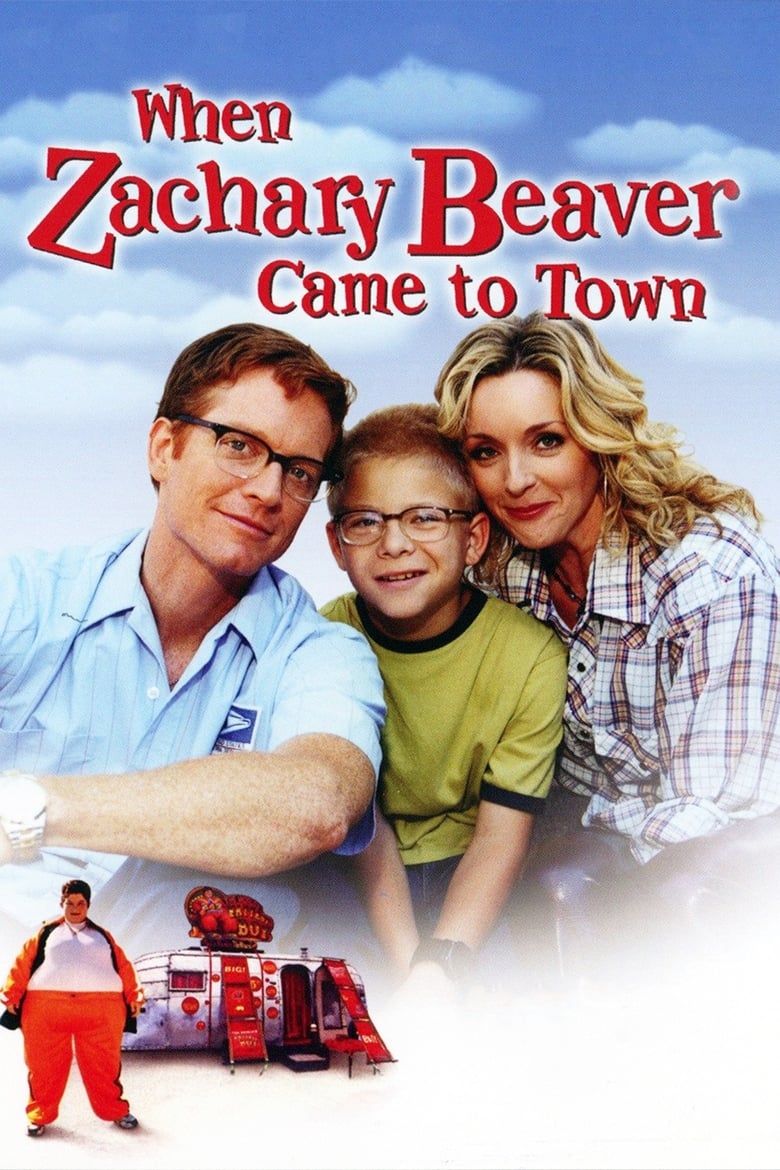
2003
PGDirector
John Schultz
Runtime
85 minutes
Average Rating
No ratings yetSynopsis
Zachary Beaver, a sideshow attraction also known as the world's fattest boy, arrives in the sleepy town of Granger, Texas.
Overall Score
Limited
Category Breakdown
LGBTQ+ Representation
The film lacks identifiable LGBTQ+ characters or non-heteronormative romantic arcs. It focuses on adolescent boys within a traditional social framework without exploring queer identity.
Gender Representation
The narrative centers heavily on male adolescent bonding and the construction of masculinity. Female characters lack significant agency and do not challenge established domestic or patriarchal roles.
Racial & Ethnic Diversity
Casting is predominantly homogeneous, reflecting a small-town Texas setting. The film does not utilize diverse casting to disrupt the historical or cultural context of the location.
Religious & Cultural Diversity
The story operates within a traditional Western, small-town framework of Americana. It explores local myth-making and heroism without critiquing Western institutions like family or capitalism.
Disability Representation
The central character is defined by his physical condition as a sideshow attraction. While the film explores his humanity, it remains tethered to the spectacle of his difference.
Strengths
Areas for Improvement
AI Analysis
The film functions as a traditional coming-of-age drama that prioritizes localized realism over the disruption of social norms. It focuses on a singular, homogeneous experience of adolescence rather than a multifaceted exploration of identity. While the central character provides a focal point for discussing physical difference, the narrative often relies on the spectacle of his condition. This limits the depth of agency typically found in more progressive representations of disability. Ultimately, the film adheres to conventional social hierarchies and traditional Western values. It lacks the intersectional complexity or intentional subversion required to represent a broader spectrum of human experience.
2006

2010

2004
1995

2008
1996
1999
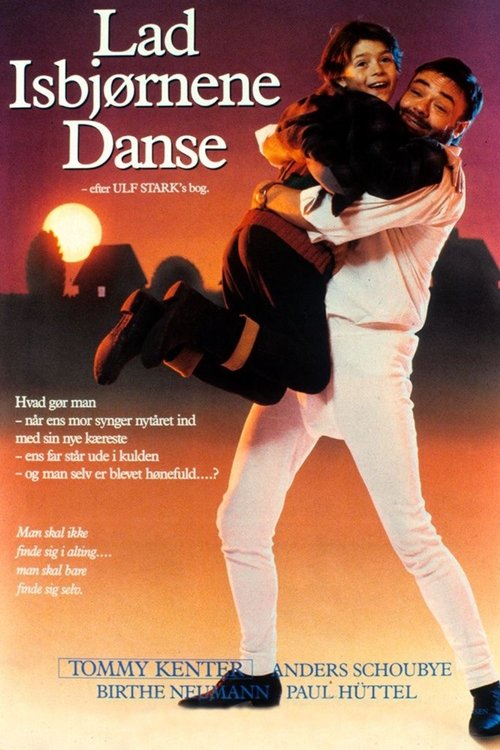
1990

2006

2019

2005

2012
No reviews yet. Be the first to share your thoughts on this movie!
Use the rating form above to leave a star rating and optional review.