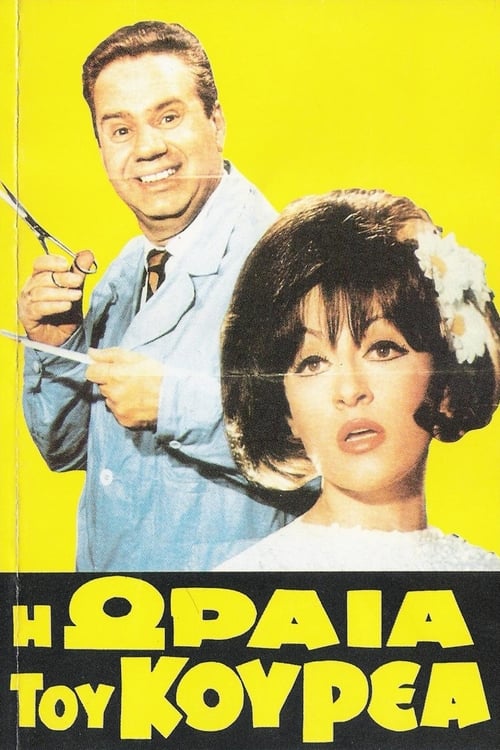
The Barber's Beauty
1969
No user ratings available yet
Diversity score: 3.2 out of 10
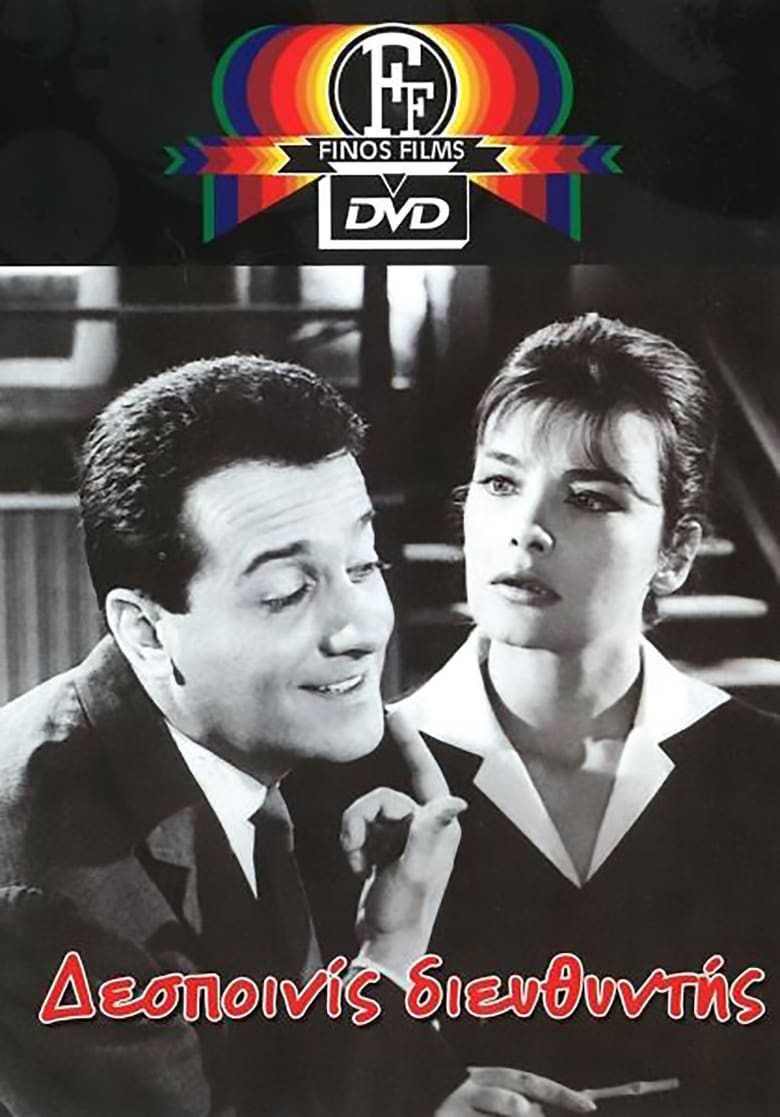
1964
Director
Dinos Dimopoulos
Runtime
96 minutes
Average Rating
No ratings yetSynopsis
Lila Vasileiou, who has recently graduated as a civil engineer, undertakes an exceptionally serious position, that of managing a technical company. In the beginning, she sees men only as her colleagues, but after some lessons from her cousin Athina, she realizes that she is also a beautiful woman. So, at a party, where she meets Alekos, a plain assistant engineer in the company, whom she likes as a man, she drinks a bit much and does various crazy things so that the young man will notice her. He is, of course, surprised, but it won’t be long before he realizes the desires of his boss and responds in kind.
Overall Score
Limited
Category Breakdown
LGBTQ+ Representation
The film lacks explicit LGBTQ+ characters or non-heteronormative identities. The plot centers on a conventional romantic pursuit between the female lead and a male sub-engineer.
Gender Representation
Lila Vassiliou's role as a formal director holding authority over a technical office subverts mid-century gender hierarchies. However, her professional agency eventually pivots toward traditional romantic conquest.
Racial & Ethnic Diversity
The production reflects the demographic homogeneity of 1964 Greece. There is no evidence of a multi-ethnic cast or intentional racial diversity within this localized framework.
Religious & Cultural Diversity
The narrative focuses on professional hierarchy and romantic courtship within a traditional social structure. It prioritizes social maneuvering and conventional integration over systemic critique.
Disability Representation
There is no mention of characters with visible or invisible disabilities in the narrative.
Strengths
Areas for Improvement
AI Analysis
Miss Manager functions as a transitional piece of Greek Golden Age cinema. It offers a moderate level of progressive value by centering a woman in a position of technical and managerial command, disrupting the era's standard tropes of female passivity. While the film challenges professional hierarchies, it remains tethered to the social norms of its time. The narrative ultimately channels the protagonist's agency into traditional romantic pursuits, limiting its ability to provide a deeper systemic critique. The film's lack of intersectional complexity and its demographic homogeneity reflect the cultural limitations of its 1964 production context.
1969
1967
1968
1964
1962

1969
1969
1981
1979
1966

1981
1983
No reviews yet. Be the first to share your thoughts on this movie!
Use the rating form above to leave a star rating and optional review.