eXport
2017
No user ratings available yet
Representation score: 3.9 out of 10
Representation Score
Excellent
2010
Director
Gabriel Range
Runtime
82 minutes
Average Rating
No ratings yetNew Showbiz Analysis
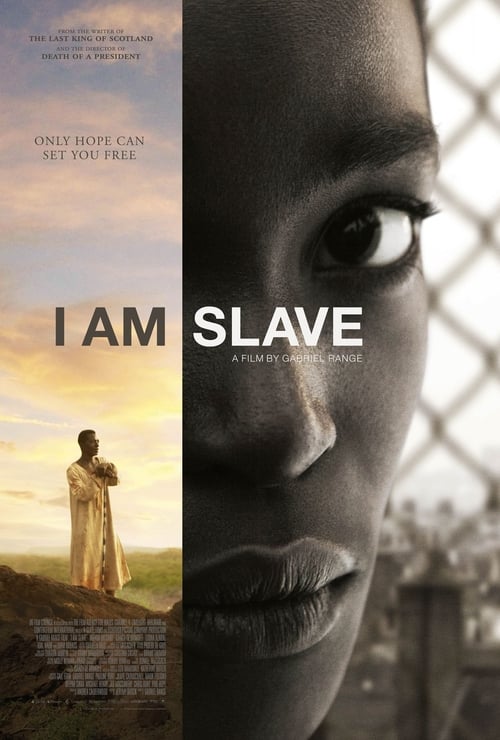
Gabriel Range’s drama is a gritty exploration of systemic human rights abuses, centered on the Sudanese experience of displacement and exploitation. By following Malia’s journey from her village to London, the film successfully deconstructs global power hierarchies and critiques the persistence of racialized exploitation in Western centers. While the film is highly effective in its racial and cultural critiques, it lacks depth in other areas of representation. The focus on survival and socio-political trafficking leaves little room for LGBTQ+ themes or specific portrayals of disability. Ultimately, the film serves as a powerful piece of social realism. It prioritizes the voices of those who are often sidelined, using a non-Western lens to challenge the perceived stability of modern Western institutions.
Category Breakdown
The film does not include any explicit LGBTQ+ characters or themes related to non-traditional gender identities.
The film centers on the resilience and struggles of Malia, a young woman, as she faces violence from male-dominated militias and servitude under female leaders. This portrayal offers a nuanced look at gendered power dynamics.
The film excels by focusing on a Sudanese narrative that spans from the Nubar Mountains to Khartoum and London. It effectively challenges the Eurocentric perspective through its non-Western viewpoint.
The story critiques corruption within state-aligned militias and the failures of institutional protections. It highlights the plight of workers within a modern Western context to expose systemic injustice.
The film addresses psychological trauma and the physical toll of servitude but does not specifically depict characters with visible or neurodivergent disabilities.
Present on Screen
Limited or Absent
Official Synopsis
Based on the real-life experiences of Mende Nazer, the story unfolds as twelve-year-old Malia, daughter of champion wrestler Bah, is abducted from her Sudanese village in the Nubar Mountains by pro-government Arab militia and sold into slavery to a woman in Khartoum, who beats her for touching her daughter. After six years she is sent to London, where her name is changed, but her miserable life of servitude continues. Her passport is taken and she is told that her father will die if she goes to the authorities. Fortunately she meets a sympathetic person who seems to offer her the hope of escape and reunion with Bah ,back in Sudan. For all the film's optimism an end title states that there are around 5,000 'slave' workers currently in Britain.
2017
2013
2004

2013

2007
2007

2006

2004
No reviews yet. Be the first to share your thoughts on this movie!
Use the rating form above to leave a star rating and optional review.