Promised Land
2004
No user ratings available yet
Representation score: 7.5 out of 10
Representation Score
Good
2007
Director
Dee McLachlan
Runtime
89 minutes
Average Rating
No ratings yetNew Showbiz Analysis
The Jammed succeeds as a visceral critique of institutional architecture, using a high-security youth detention center to examine the tension between state order and individual autonomy. Its greatest strength lies in its commitment to reflecting the ethnic diversity of underrepresented populations within the justice system. However, the film struggles with gender and identity representation. The narrative is heavily anchored in hyper-masculine hierarchies, and the lack of LGBTQ+ narratives or specific disability-driven character arcs limits its scope. Ultimately, the film is a powerful deconstruction of authority. It challenges the legitimacy of traditional state institutions by framing systemic failure as the root of character volatility.
Category Breakdown
The film does not include any explicit LGBTQ+ narratives or character arcs that explore non-cisgender identities. There is no depiction of same-sex relationships or intimacy that drives the plot.
The story focuses on aggressive, hyper-masculine behavior and power structures. While it exposes the psychological fragility behind these behaviors, it primarily operates through a male-centric perspective.
The film features a multi-ethnic cast that accurately reflects the demographic reality of the Australian youth justice system. This casting choice provides a nuanced look at how various ethnic identities navigate confinement.
The film offers a sophisticated critique of Western institutionalism. It portrays the detention center as an oppressive structure and emphasizes situational ethics over rigid moral absolutes.
Psychological trauma and mental health struggles are shown as symptoms of the environment. However, the film lacks nuanced representation of neurodivergence or specific physical disabilities.
Present on Screen
Limited or Absent
Official Synopsis
A young Australian woman reluctantly agrees to help a Chinese mother search for her missing daughter and becomes involved in human trafficking and the sex slave trade.
2004
2013
2012
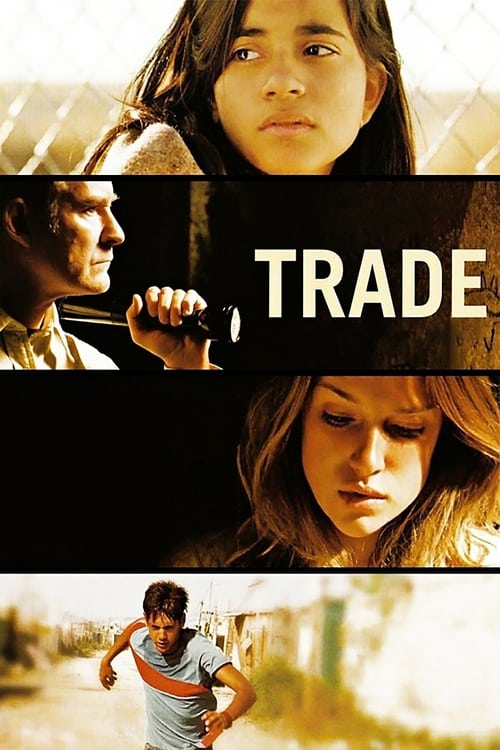
2007
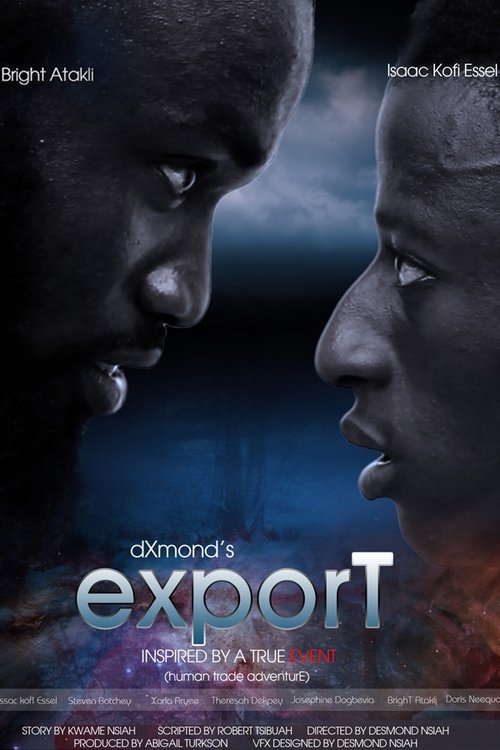
2017
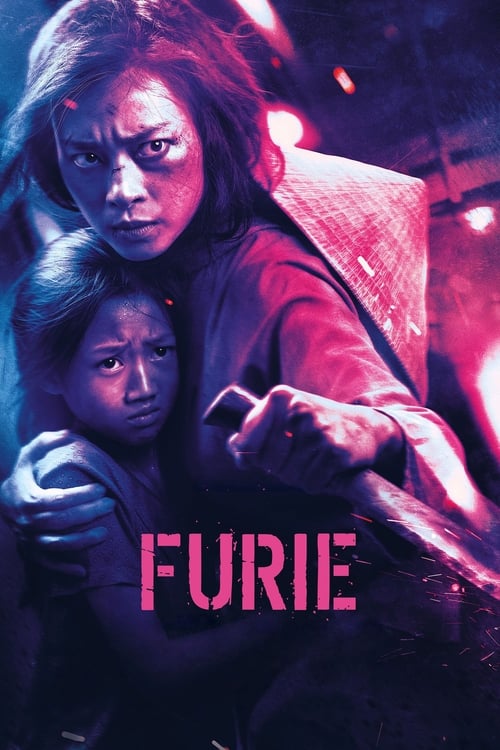
2019

2011
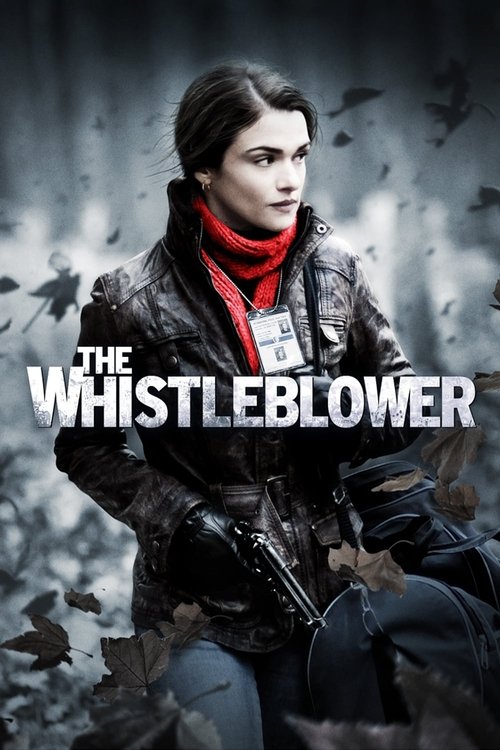
2010
No reviews yet. Be the first to share your thoughts on this movie!
Use the rating form above to leave a star rating and optional review.