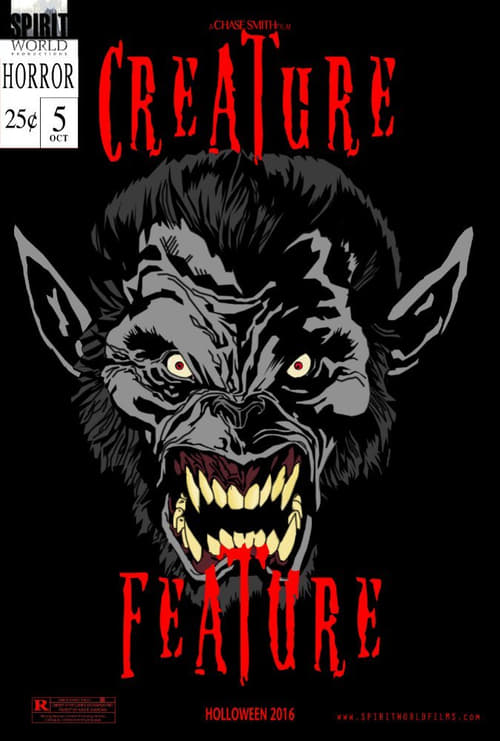
Creature Feature
2015
No user ratings available yet
Representation score: 2.8 out of 10

Representation Score
Good
2013
RDirector
Eliza Swenson, Leigh Scott, Nick Everhart
Runtime
101 minutes
Average Rating
No ratings yetNew Showbiz Analysis
This horror anthology leans into the 'otherness' of its supernatural protagonists to disrupt standard narrative expectations. By utilizing non-human archetypes, the film creates a space for exploring identity and social hierarchies outside of mainstream conventions. However, the film lacks clear evidence of racial diversity or explicit LGBTQ+ representation. The reliance on traditional horror settings and clichés suggests a more homogeneous approach to casting and social dynamics. Ultimately, the work functions as a niche experiment in genre-bending storytelling. It finds its strength in moral relativism and the subversion of typical character roles rather than overt systemic representation.
Category Breakdown
The film uses non-human entities like zombies and werewolves, which can serve as metaphors for identity fluidity. While explicit queer identities are not confirmed, these characters suggest a potential for non-traditional romantic relationships.
Female leads like Penny Dreadful and Alice play significant roles in the story, navigating psychological uncertainty and horror. They move away from traditional damsel-in-distress clichés by taking active roles in the narrative.
The cast and settings do not show a multi-ethnic majority. The reliance on traditional horror clichés like backwoods encounters suggests a lack of visible diversity.
The anthology explores social fragmentation and the decay of traditional institutions through its rundown theater setting. It uses monstrous characters to facilitate themes of moral relativism and blurred social boundaries.
Monstrosity is a central device, using undead and werewolf characters to explore the 'othered' body. It remains unclear if these roles represent neurodivergence or avoid common horror clichés regarding physical difference.
Present on Screen
Limited or Absent
Official Synopsis
Daffy undead gal Penny Dreadful, her smitten zombie buddy Ned, and lycanthrope Wolfboy relate three tales of terror in an old rundown movie theater: A young couple find themselves being stalked by a lethal jack-in-the-box in "Slash-in-the-Box;" mousy young lady Alice tries to figure out what exactly happened to her last night in "The Morning After;" and a group of friends encounter an eccentric backwoods family after their van breaks down in the middle of nowhere in "The Slaughter House."
2015
2007
2023
2006

2012

2018

2009

2015
No reviews yet. Be the first to share your thoughts on this movie!
Use the rating form above to leave a star rating and optional review.