Terrortory
2016
No user ratings available yet
Representation score: 3.3 out of 10
Representation Score
Fair
2023
Director
Paul Holbrook, Félix Dobaire, Samuel Dawe, Stuart Graham
Runtime
86 minutes
Average Rating
No ratings yetNew Showbiz Analysis
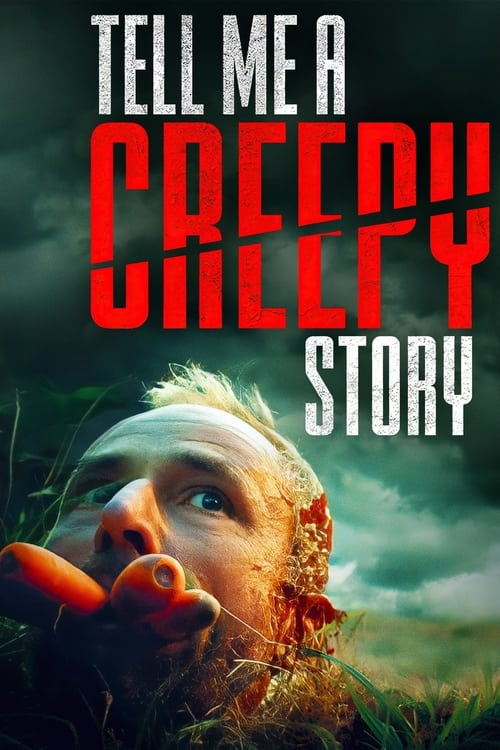
Tell Me a Creepy Story operates as a traditional horror anthology, leaning heavily on genre-specific clichés. The film explores themes of domestic instability and moral ambiguity, providing a certain level of narrative complexity. However, the work lacks intentional subversion of social hierarchies. The focus remains on individual terrors—such as accidental killers and serial killers—rather than multi-layered character development or actively leading representation. Ultimately, the film functions as a collection of dark tales that prioritize genre thrills over progressive social commentary or diverse perspectives.
Category Breakdown
The anthology focuses on isolated domestic horrors and does not include explicit LGBTQ+ characters. The narrative structure does not currently showcase non-binary or transgender identities.
Female perspectives are present through a home-alone woman and a beekeeper's wife. These roles center female fear, though they may lean into traditional victim clichés.
The film lacks verifiable evidence of diverse racial representation. While the cast includes some ethnic variety, the central plots do not explicitly highlight multi-layered casting.
The stories disrupt conventional morality by focusing on domestic dysfunction. This approach aligns with a cynical, postmodern view of traditional Western institutions and family structures.
There is no information regarding characters with disabilities. A child with an inhuman appetite remains a supernatural cliché rather than clear disability representation.
Present on Screen
Limited or Absent
Official Synopsis
The beekeeper who accidentally kills his wife before nervously burying her body under his vegetable patch, the child born with an insatiable and increasingly inhuman appetite, the seemingly harmless couple who are serial killers, and the home-alone woman who is petrified someone is out to kill her. These terrifying tales come together in one anthology.
2016
2013
2021
2015
2015
2022
2013
2017
No reviews yet. Be the first to share your thoughts on this movie!
Use the rating form above to leave a star rating and optional review.