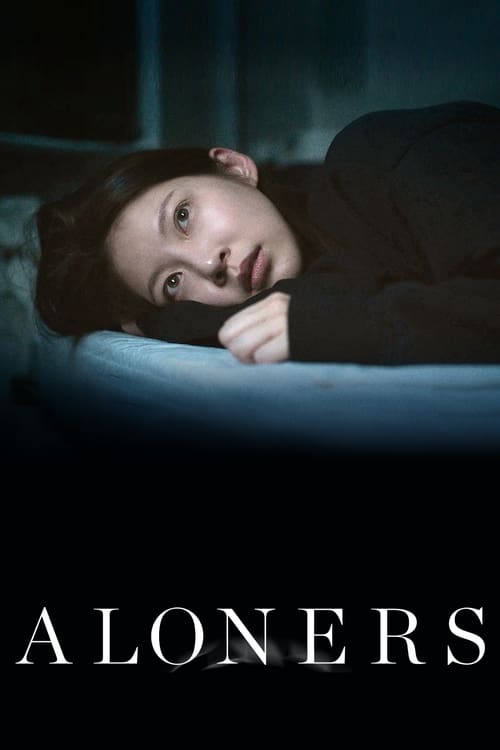
Aloners
2021
No user ratings available yet
Representation score: 8.6 out of 10
Representation Score
Good
2005
Director
Lee Yoon-ki
Runtime
99 minutes
Average Rating
No ratings yetNew Showbiz Analysis
Lee Yoon-ki’s film succeeds as a nuanced character study that prioritizes the female experience of labor and loneliness over romantic escapism. By centering on a woman navigating precarious economic conditions, the film offers a meaningful critique of how gender and class intersect in contemporary South Korea. However, the film lacks breadth in other identity-based categories. It does not feature LGBTQ+ storylines or multi-ethnic casting, remaining strictly within a homogeneous Korean context. While this supports its realist aesthetic, it limits the scope of its social representation. Ultimately, the film's strength lies in its structural critique of capitalist alienation. It elevates the lived experience of the underrepresented working class, even if it lacks explicit representation of diverse identities.
Category Breakdown
The film lacks prominent LGBTQ+ characters or storylines. The narrative focuses exclusively on the protagonist's internal emotional state and her immediate socioeconomic surroundings.
The film challenges traditional gender roles by centering a female protagonist defined by survival and autonomy. It explores how gender intersects with labor and class, moving beyond common archetypes.
The cast is culturally specific and homogeneous, reflecting a realist setting in Seoul. This approach provides a grounded, non-Western perspective on urban struggle and social isolation.
The narrative critiques modern capitalist structures through the lens of low-wage labor and urban alienation. It avoids Western moral binaries, focusing instead on situational ethics and necessity.
There is no explicit focus on visible or invisible disabilities. However, the film subtly examines the mental toll of social isolation and psychological exhaustion.
Present on Screen
Limited or Absent
Official Synopsis
Jeong-hye, a woman in her 30s, works at the post office and lives a quite monotonous life alone in an apartment with her cat. Apart from having lunch with the girls at work, she is all by herself, until an aspiring writer is attracted by her.
2021

1995
2012

2000
2022

2020
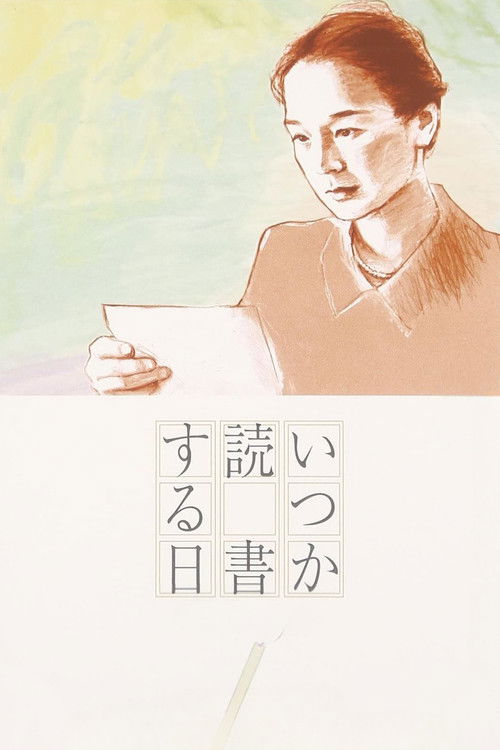
2005

2005
No reviews yet. Be the first to share your thoughts on this movie!
Use the rating form above to leave a star rating and optional review.