Framing John DeLorean
2019
No user ratings available yet
Representation score: 0.8 out of 10
Representation Score
Fair
2016
TV-MADirector
Nanette Burstein
Runtime
100 minutes
Average Rating
No ratings yetNew Showbiz Analysis
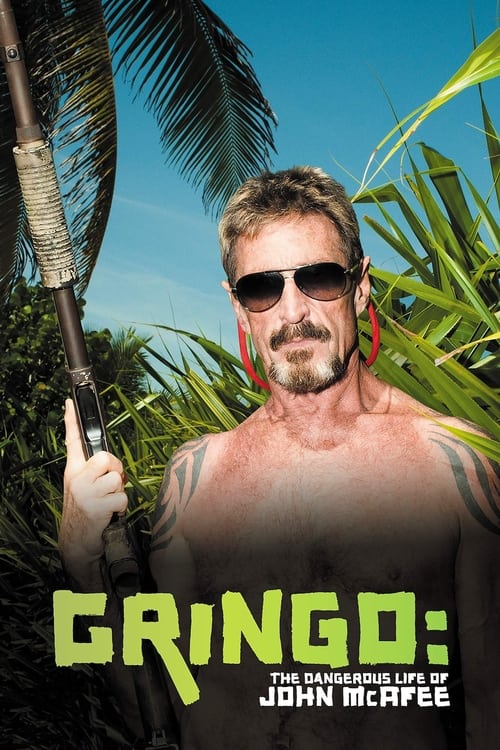
Gringo: The Dangerous Life of John McAfee is a character study that prioritizes the psychological unraveling of a single individual over broad social representation. While it offers a sophisticated critique of Western hegemony and institutional control, the narrative remains heavily centered on the protagonist's perspective. The film succeeds in presenting a postmodern view of morality and law, challenging traditional structures through the lens of the protagonist's chaotic autonomy. This provides a level of intellectual complexity regarding cultural relativism. However, the documentary lacks depth in gender and LGBTQ+ representation. Women and diverse identities are often relegated to the periphery of the central male-driven drama, limiting the scope of its social commentary.
Category Breakdown
The film does not prominently feature LGBTQ+ narratives or characters. The story focuses on the protagonist's personal journey and his interactions in Central America, without delving into queer identity.
The narrative centers on the male protagonist's decline. Women are portrayed as peripheral figures within his chaotic world, lacking central roles or subverted gender norms.
Local Costa Rican and Nicaraguan individuals offer meaningful representation. However, the power dynamics favor the Western protagonist, using the local population primarily as a backdrop for his personal journey.
The documentary excels by dismantling Western institutional authority. It portrays the protagonist's rejection of legal systems as a radical quest for autonomy against perceived state oppression.
The film addresses the protagonist's paranoia and psychological instability. This is treated as a biographical element of his downfall rather than a nuanced exploration of neurodivergence.
Present on Screen
Limited or Absent
Official Synopsis
The strange story of John McAfee, who went from millionaire software mogul to yogi, Kurtz-like jungle recluse to potential murderer, and most recently a prospective presidential candidate for the American Libertarian Party.
2019

2016
2011
2017

2022

2019

2017

2019
No reviews yet. Be the first to share your thoughts on this movie!
Use the rating form above to leave a star rating and optional review.