
Mascarades
2008
No user ratings available yet
Representation score: 7.3 out of 10
Representation Score
Good
2008
Director
Juan Carlos Tabío
Runtime
108 minutes
Average Rating
No ratings yetNew Showbiz Analysis
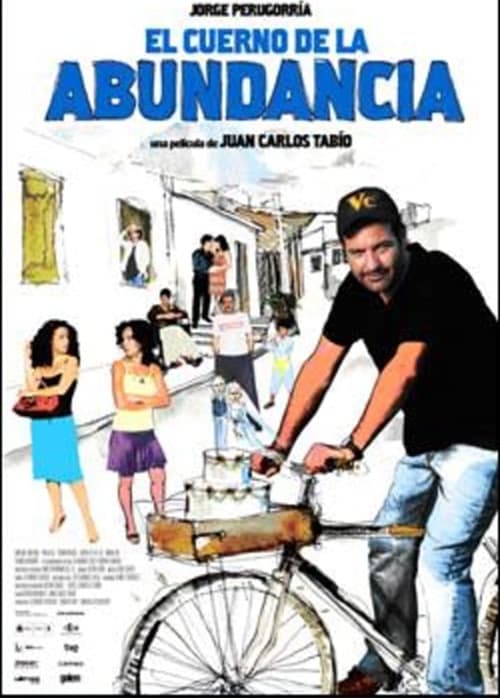
Horn of Plenty is a satirical look at the tension between bureaucracy and survival in post-revolutionary Cuba. It excels by providing an authentic, non-Western perspective centered around a localized community and critiquing institutional dysfunction. The film’s strength lies in its cultural specificity and its portrayal of underrepresented ability to act. However, its focus remains heavily on traditional familial structures and socioeconomic struggles, resulting in limited representation for LGBTQ+ identities and disability. The narrative prioritizes lineage and class-based survival over these specific social dimensions. Ultimately, the film offers a nuanced study of communal ability to act, committed to authentic cultural representation and critiquing systemic corruption.
Category Breakdown
The story focuses on family lineages and conflicts within a small village. It does not explicitly address non-straight or non-cisgender identities or challenge the assumption that everyone is straight or cisgender.
Gender roles are influenced by the need for survival in a poor environment. The film shows how systemic issues affect all traditional leaders, breaking down patriarchal authority.
The film features a predominantly Cuban cast reflecting the local demographics. It avoids Western-centric casting by focusing on a Caribbean community.
The narrative criticizes state bureaucracy and portrays institutions as ineffective. It highlights survival-based behaviors, such as black-market trading, as necessary pragmatic actions rather than moral failings.
Characters' struggles are defined by socioeconomic conditions and systemic scarcity. There is no significant representation of characters with visible or invisible disabilities.
Present on Screen
Limited or Absent
Official Synopsis
An unclaimed fortune, grown for centuries in a British bank account, becomes a potential windfall for Bernadito Castiñeiras and the residents of the tiny village of Yaragüey, Cuba. To receive his massive inheritance check, Bernadito must prove his lineage to the Castiñeiras nuns who first populated the region. In an isolated and impoverished town where many residents share the same surname, a feud breaks out between the "Castiñeiras" and "Castiñeyras" families.
2008
1982

2024

2008
2022

1998
2006

2005
No reviews yet. Be the first to share your thoughts on this movie!
Use the rating form above to leave a star rating and optional review.