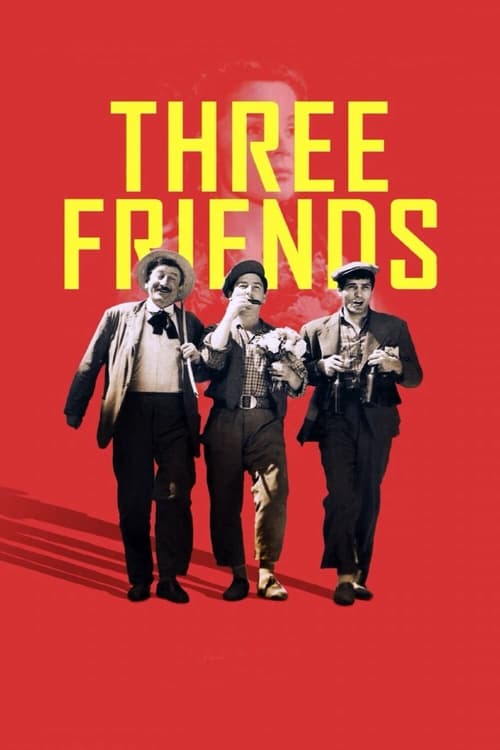
Three Friends
1958
No user ratings available yet
Representation score: 6.5 out of 10
Representation Score
Fair
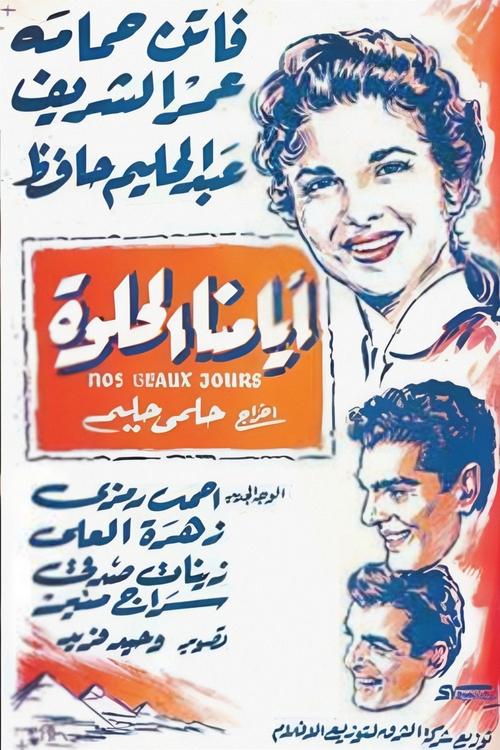
1955
Director
Helmy Halim
Runtime
120 minutes
Average Rating
No ratings yetNew Showbiz Analysis
Our Best Days is a quintessential mid-century romantic melodrama that prioritizes traditional romantic structures over exploring diverse identities. The narrative relies heavily on established social norms and conventional romantic clichés. While the film serves as an important cultural artifact of Egyptian cinema, it does not challenge social hierarchies. Instead, it focuses on interpersonal kindness and community-based altruism within a localized social framework. The representation of the female lead and her medical condition is primarily used to advance the development of male characters, reflecting the traditional power dynamics and storytelling standards of the era.
Category Breakdown
The film follows a typical romantic storyline focused on a female protagonist and her male love interests. There is no indication of LGBTQ+ identities or same-sex relationships.
The female lead drives the emotional core of the story, while male characters take the primary role in resolving conflicts and advancing the plot.
The cast is predominantly of Middle Eastern descent, reflecting the cultural context of 1950s Egyptian society. It serves as a significant cultural artifact but does not explore diverse global perspectives.
The story emphasizes community solidarity and traditional values like altruism. It relies on conventional melodramatic structures that reinforce local social and familial expectations.
The protagonist's illness serves as a narrative device to drive the plot toward its climax. It lacks a detailed exploration of the lived experience of disability, focusing instead on its role in creating dramatic tension.
Present on Screen
Limited or Absent
Official Synopsis
A poor girl lives on the rooftop of a building. Three young neighbors fall in love with her. The decide to help her when they discover that she is seriously ill and in need of an urgent operation.
1958
1977
1966
1957

2000
1973
1985

1983
No reviews yet. Be the first to share your thoughts on this movie!
Use the rating form above to leave a star rating and optional review.