Juan Pistolas
1966
No user ratings available yet
Diversity score: 4.5 out of 10

1961
Director
Roberto Rodríguez
Runtime
86 minutes
Average Rating
No ratings yetSynopsis
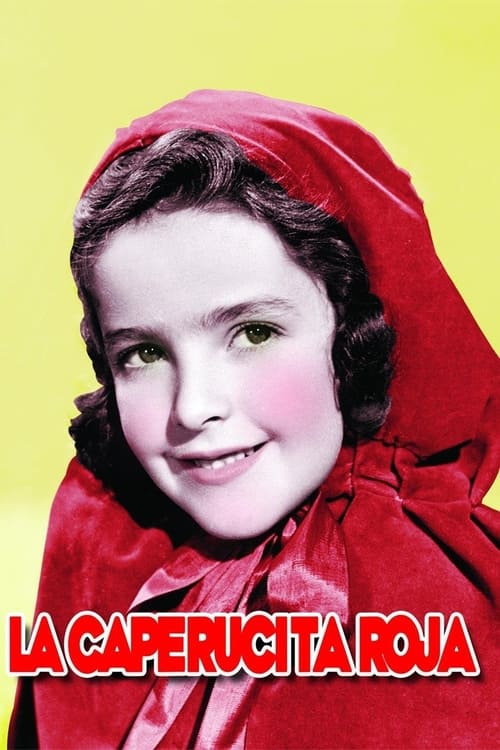
The Big Bad Wolf and the Stinky Little Skunk from the Caperucita Roja movies in their final adventure, as swashbuckling 17th century swordsmen in a king's service.
Overall Score
Limited
Category Breakdown
LGBTQ+ Representation
The film adheres to the heteronormative romantic structures typical of its era. There is no visible evidence of non-cisnormative identities or critiques of traditional social norms.
Gender Representation
The narrative focuses on masculine archetypes of physical prowess and leadership. It reinforces traditional 17th-century gender hierarchies rather than subverting them.
Racial & Ethnic Diversity
The story relies on European historical tropes common to the swashbuckling genre. There is no evidence of high-agency characters of color or diverse casting.
Religious & Cultural Diversity
The plot centers on institutional loyalty and service to a monarch. It supports established Western historical structures rather than offering any cultural critique.
Disability Representation
Characters with visible or invisible disabilities are not portrayed with agency. Disability is absent as a central narrative component in this adventure.
Strengths
Areas for Improvement
AI Analysis
The Happy Musketeers is a conventional 17th-century adventure that prioritizes genre tropes over social diversity. The film follows established historical structures, focusing on swordsmen serving a monarch through traditional archetypes. Because the film was produced in 1961, it reflects the era's social constraints. It lacks intersectional representation, focusing instead on masculine leadership and Western institutional stability. Ultimately, the work functions as a standard period piece. It does not attempt to deconstruct systemic hierarchies or include diverse identities.
No reviews yet. Be the first to share your thoughts on this movie!
Use the rating form above to leave a star rating and optional review.