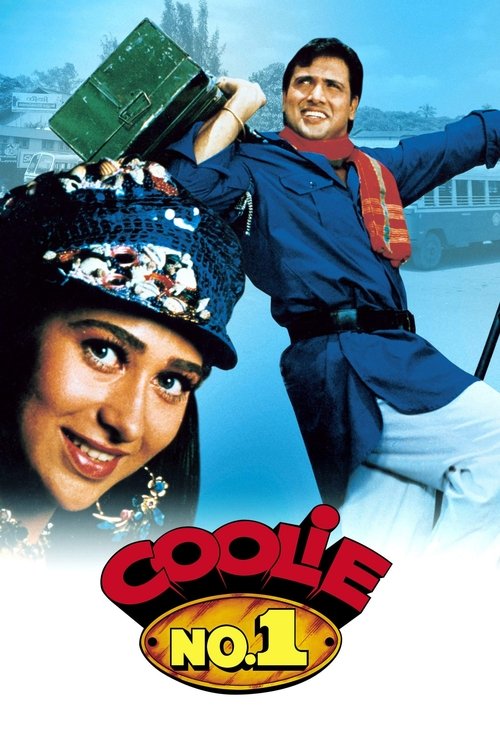
Coolie No. 1
1995
No user ratings available yet
Representation score: 2.1 out of 10

Representation Score
Fair
2015
Director
Abhishek Dogra
Runtime
98 minutes
Average Rating
No ratings yetNew Showbiz Analysis
Dolly Ki Doli succeeds in reversing traditional romantic archetypes by replacing the passive damsel with strong female protagonists. The film's strength lies in its reversal of gendered power structures, turning men into the marks of a clever female-led con. However, the film lacks meaningful representation for LGBTQ+ individuals and people with disabilities. The narrative remains culturally homogeneous and operates within a narrow heterosexual and cisgender scope. Ultimately, the film is a postmodern critique of social norms, using comedy to challenge the sanctity of traditional institutions like marriage.
Category Breakdown
The film operates within a strictly heterosexual and cisgender framework. There is no presence of non-conforming gender identities or same-sex relationships, as romantic interests are directed solely toward male characters.
The narrative challenges traditional gender hierarchies by positioning women as proactive architects of the plot. Female leads demonstrate superior intellect and take control, while men are relegated to passive, inept roles.
The cast is predominantly South Asian, reflecting a consistent cultural authenticity within a modern Indian urban landscape. It avoids whitewashing but remains a culturally homogeneous narrative.
The film uses moral relativism to frame deception as comedic empowerment. By manipulating marriage for personal gain, it disrupts traditionalist views of familial and marital sanctity.
There are no prominent depictions of visible or invisible disabilities. No characters are defined by neurodivergence or physical impairment.
Present on Screen
Limited or Absent
Official Synopsis
Dolly, an attractive woman, fakes marriages and runs away stealing all the precious belongings of the groom and his family. Dolly's modus operandi is to get her fake brother to identify prospective grooms & then entice these men to fall in love with her. Attracted by her charms, these prospective grooms are ready to do anything for dolly including going against their parents' wishes to marry her.
1995

2018

2017

2014
2021
2009

2010

2019
No reviews yet. Be the first to share your thoughts on this movie!
Use the rating form above to leave a star rating and optional review.