Spin Out
2016
No user ratings available yet
Representation score: 2.0 out of 10
Representation Score
Limited
1999
Not RatedDirector
Antony J. Bowman
Runtime
96 minutes
Average Rating
No ratings yetNew Showbiz Analysis
Paperback Hero is a conventional comedy-romance that relies heavily on established genre clichés. The narrative structure prioritizes traditional romantic and professional complications over multi-layered diversity or the deconstruction of social hierarchies. The film reflects the mainstream cinematic norms of the late 1990s, focusing on a localized Australian setting. It lacks significant evidence of diverse racial, ethnic, or LGBTQ+ perspectives, leaning instead toward a more homogeneous portrayal of its characters. Ultimately, the film functions as a standard character-driven piece that follows traditional storytelling patterns without challenging existing social or gendered structures.
Category Breakdown
The film focuses on a heterosexual relationship and does not include any non-binary gender identities or critiques of assuming everyone is straight.
The story involves a gender deception where a woman uses a male pseudonym. A central female character's influence is shared between the hidden author and the public persona.
The setting highlights a specific Australian occupational culture. The narrative seems to emphasize a homogeneous depiction of the working class without showcasing multiple ethnic backgrounds.
The story engages with traditional Western themes such as the working-class hero. It emphasizes personal success and interpersonal conflicts rather than institutional critiques.
There are no visible or invisible disabilities that play a central role in the character arcs of this story.
Present on Screen
Limited or Absent
Official Synopsis
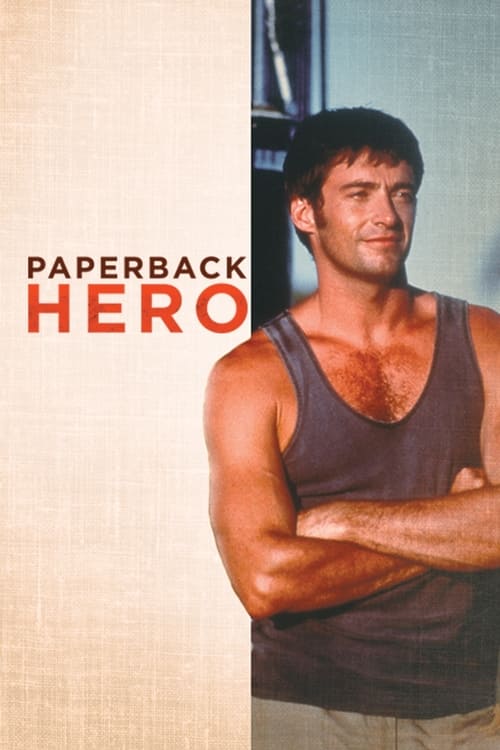
Australian truck driver Jack has written a successful romance novel under the name of his best friend's girlfriend - Ruby Vale. When a publisher arrives to sign up 'Ruby', complications arise.
2016
2002

2014
2007

2004
1993
1996
2007
No reviews yet. Be the first to share your thoughts on this movie!
Use the rating form above to leave a star rating and optional review.