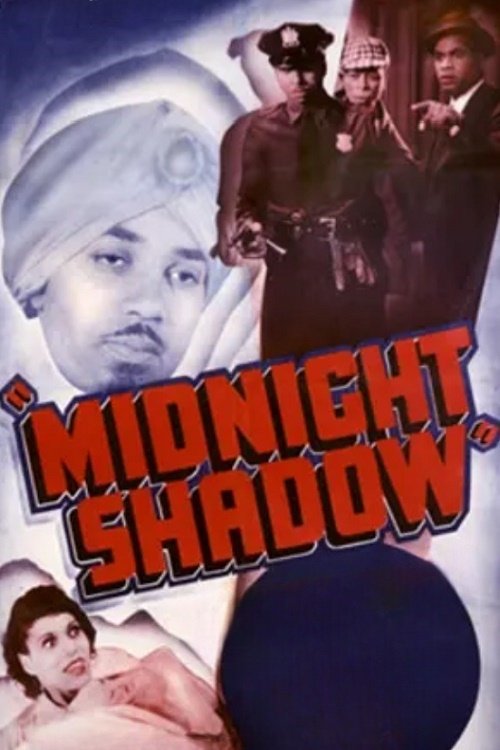
Midnight Shadow
1939
No user ratings available yet
Representation score: 3.5 out of 10

Representation Score
Limited
1929
NRDirector
Robert Florey
Runtime
63 minutes
Average Rating
No ratings yetNew Showbiz Analysis
The film adheres to the standard genre constraints of the late 1920s. While it features a proactive female lead, it lacks depth in addressing multi-layered issues or systemic critiques. The narrative relies on traditional social hierarchies and heterosexual romantic structures. The protagonist's ability to drive the story stands out, yet the plot remains anchored in conventional period clichés. Overall, the work reflects the era's limited scope concerning racial and cultural diversity, focusing instead on crime and personal vengeance.
Category Breakdown
The film does not include any explicit evidence of non-straight relationships or non-cisgender identities. The plot revolves around traditional romantic relationships involving the female lead and two male characters.
Jean Oliver exhibits a significant role in driving the story by disguising herself to carry out a revenge plan. However, her motivations are closely linked to her romantic relationships with a gangster and a newspaperman.
The narrative does not indicate a diverse or non-Anglo-Saxon cast. It seems to adhere to the homogeneous casting standards typical of 1920s American mystery dramas.
The story delves into moral ambiguity through a quest for vengeance against a false accusation. It adheres to standard genre conventions without critiquing systemic power or Western institutions.
There is no information regarding the portrayal of physical or neurodivergent disabilities within the film.
Present on Screen
Limited or Absent
Official Synopsis
Mrs. Ramsey sent Jean Oliver to prison on a false charge. To get even, Jean (disguised as Madame Mystera) plans to kidnap her daughter and turn her into a thief. Love entanglements with a gangster known as "The Fox" and newspaperman Grant complicate her plans.
1939
1924
1932
1922
1935
1939
1923

1933
No reviews yet. Be the first to share your thoughts on this movie!
Use the rating form above to leave a star rating and optional review.