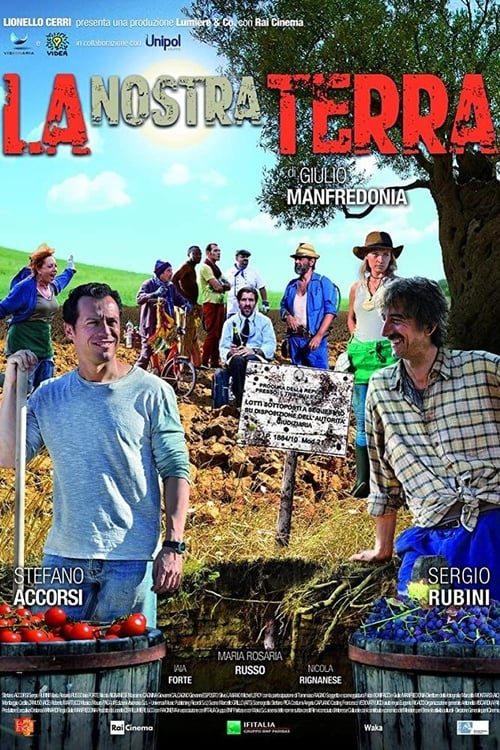
Mafia & Red Tomatoes
2014
No user ratings available yet
Diversity score: 5.3 out of 10
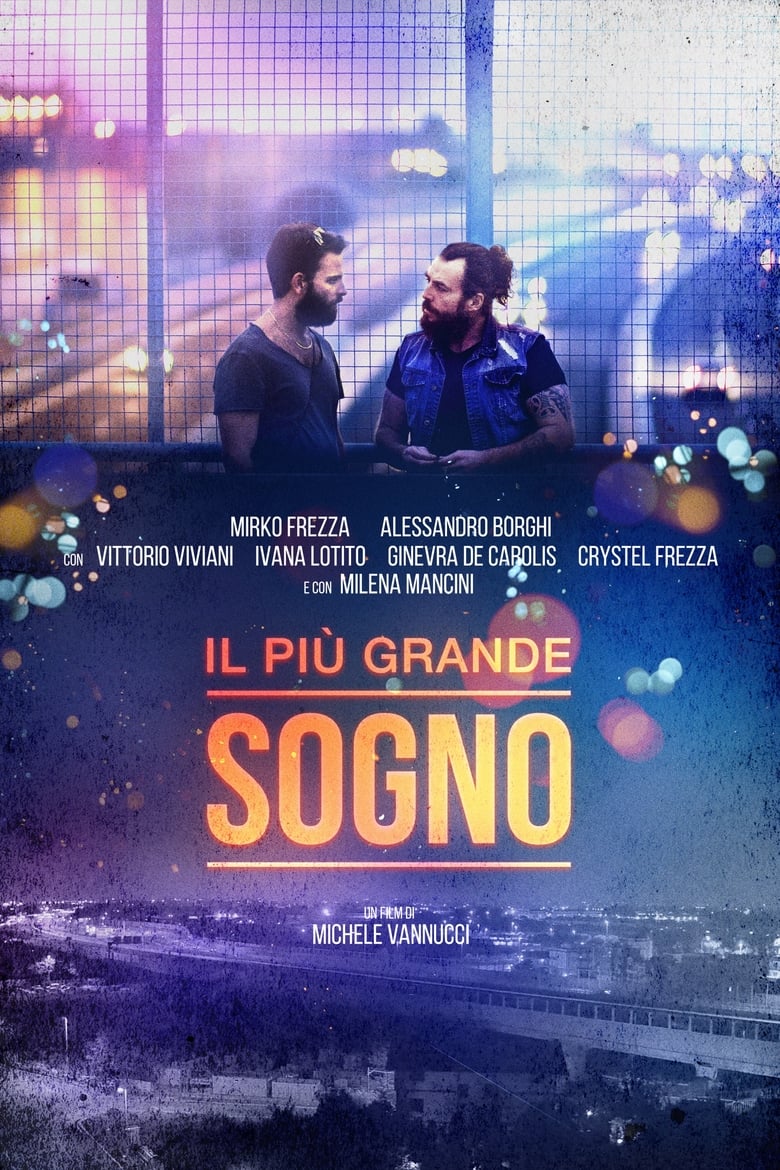
2016
Director
Michele Vannucci
Runtime
97 minutes
Average Rating
No ratings yetSynopsis
At 39 years of age Mirko has just left prison. In the outskirts of Rome, a new future waits for him. When he is elected president of the homeowners’ committee, he realises that he can dream of a different kind of existence. Not only for himself and his family, but for the whole suburb where he lives. This film deals with a “bandit” who, with the help of his best friend Boccione, wants to turn the indifference of the suburb into solidarity and the roads into luxuriant fields of tomatoes, becoming the bearer of a happiness he does not know how to reach. It is the story of a fragile and irrational dream: offering a future to those who do not even believe they deserve a present.
Overall Score
Fair
Category Breakdown
LGBTQ+ Representation
The narrative focuses on the protagonist's family and his relationship with a best friend. There is no visible evidence of queer identities or non-cisnormative characters.
Gender Representation
The film centers on a male lead but subverts typical masculine tropes. Mirko is portrayed as a fragile dreamer rather than a hardened criminal, emphasizing emotional vulnerability.
Racial & Ethnic Diversity
Set in the outskirts of Rome, the film implies a Mediterranean social landscape. However, the specific racial composition of the community remains unstated.
Religious & Cultural Diversity
The story excels by prioritizing grassroots communal agency over institutional power. It critiques social hierarchies by transforming a former bandit into a catalyst for local solidarity.
Disability Representation
There is no information available regarding the portrayal of physical, neurodivergent, or mental health disabilities within the film.
Strengths
Areas for Improvement
AI Analysis
I Was a Dreamer functions as a social critique that challenges traditional hierarchies through its protagonist. It moves away from standard criminal archetypes to explore themes of community and collective hope. The film's strength lies in its cultural subversion and its nuanced take on masculinity. It replaces the trope of the violent outlaw with a character driven by a fragile, communal dream. However, the film lacks visibility in several key areas. There is no evidence of LGBTQ+ representation or disability inclusion, leaving these demographic dimensions unexplored.
2014

2015
2019
1975
2014
2014

2022
2020
2011
No reviews yet. Be the first to share your thoughts on this movie!
Use the rating form above to leave a star rating and optional review.