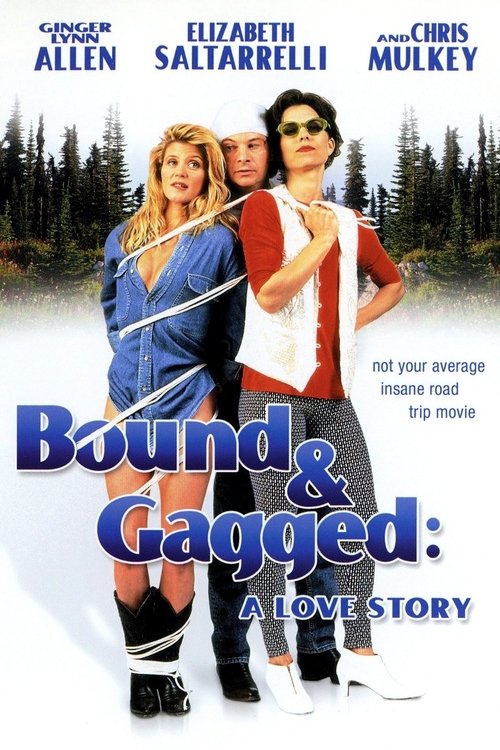
Bound and Gagged: A Love Story
1993
No user ratings available yet
Representation score: 4.7 out of 10

Representation Score
Limited
1997
RDirector
Bill Bennett
Runtime
96 minutes
Average Rating
No ratings yetNew Showbiz Analysis
Kiss or Kill operates as a conventional late-90s crime thriller, following established genre clichés. While the film offers a strong female lead with significant influence, her character remains confined to traditional archetypes. The narrative lacks depth in terms of diversity and broader cultural critiques. It focuses on personal survival and individual morality rather than engaging with systemic issues. Overall, the film adheres to a standard framework that assumes everyone is straight and cisgender, offering limited progressive representation.
Category Breakdown
The story focuses on a heterosexual relationship between Nikki and Al. There are no LGBTQ+ identities or hints of queerness in the main characters.
Nikki plays a significant role in driving the central conflict and criminal activities. However, her character is tied to the traditional femme fatale archetype.
The film follows typical casting practices of the time, featuring a predominantly white cast without much diversity.
The film delves into moral ambiguity and situational ethics through its characters' actions. It does not address broader systemic issues or cultural critiques.
There is no information indicating the presence of physical, neurodivergent, or mental health disabilities in the film.
Present on Screen
Limited or Absent
Official Synopsis
Two lovers, Nikki and Al, have a scam in which Nikki allows herself to be picked up by older men, drugs them, and, with Al's help, robs them. After accidentally killing one of her victims with an overdose, Nikki and Al are on the run.
1993

1970

1997
2005

2001
2008

1981

1989
No reviews yet. Be the first to share your thoughts on this movie!
Use the rating form above to leave a star rating and optional review.