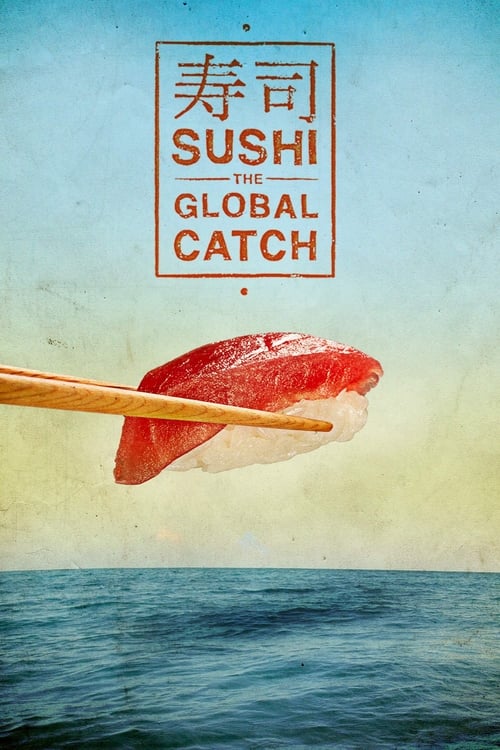
Sushi: The Global Catch
2012
No user ratings available yet
Representation score: 4.0 out of 10
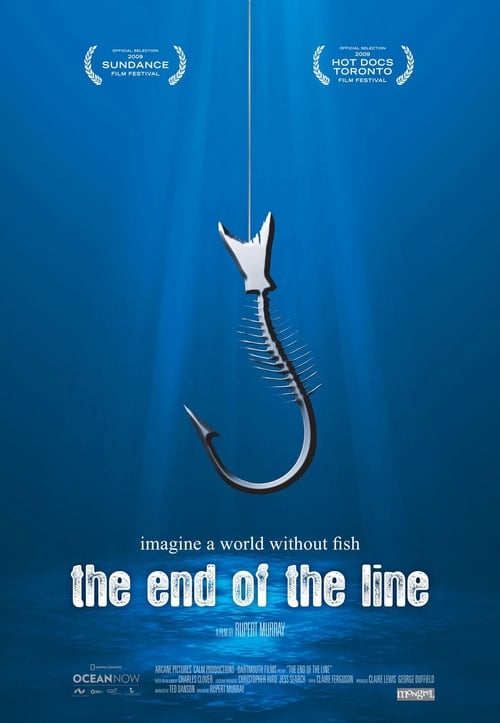
Representation Score
Limited
2009
UnratedDirector
Rupert Murray
Runtime
86 minutes
Average Rating
No ratings yetNew Showbiz Analysis
The End of the Line is a specialized environmental documentary that prioritizes ecological urgency over social identity. Its narrative structure is built around systemic critiques rather than character-driven social politics. Since the subject matter is strictly centered on marine biology and global food security, traditional demographic categories like LGBTQ+ and disability representation are largely absent. The film treats marine species as the primary subjects of interest. However, the film achieves a moderate score in cultural representation by challenging the narrative of Western industrial progress. It frames resource depletion as a direct consequence of unsustainable economic models.
Category Breakdown
The film focuses on ecological and biological systems rather than human identities. There are no LGBTQ+ characters or narratives that address assumptions about straight relationships.
The narrative does not use gendered character arcs to challenge traditional roles. It examines the impact of global industries without focusing on gender-specific power dynamics.
While the scope is global, the film lacks a diverse cast of human protagonists. The narrative centers on marine species rather than various ethnic perspectives.
The film offers a strong critique of Western consumerist structures and capitalist demand for luxury goods. It challenges the idea of Western industrial progress as inherently positive.
There is no focus on human neurodivergence or physical disabilities. The vulnerability depicted is systemic and ecological rather than individual or human-centric.
Present on Screen
Limited or Absent
Official Synopsis
Examines the devastating effect that overfishing has had on the world's fish populations and argues that drastic action must be taken to reverse these trends. Examines the imminent extinction of bluefin tuna, brought on by increasing western demand for sushi; the impact on marine life resulting in huge overpopulation of jellyfish; and the profound implications of a future world with no fish that would bring certain mass starvation.
2012
2013
2017
2007
2018

2009
2014
2009
No reviews yet. Be the first to share your thoughts on this movie!
Use the rating form above to leave a star rating and optional review.