
Jumping
1984
No user ratings available yet
Representation score: 5.3 out of 10

Representation Score
Fair
1998
Director
Shigeru Tamura
Runtime
23 minutes
Average Rating
No ratings yetNew Showbiz Analysis
Shigeru Tamura’s experimental animation avoids typical social clichés by using a surrealist, non-traditional narrative structure. The film's strength lies in its ability to challenge conventional views of reality and social order through its unique setting. While the film doesn’t explicitly depict specific identities, its narrative structure inherently breaks down traditional hierarchies. By removing characters from a standard historical context, the film sidesteps many mainstream commercial formulas. Ultimately, the film serves as a philosophical break from traditional storytelling. It offers a meaningful challenge to progress-oriented logic, even if specific representation isn’t confirmed.
Category Breakdown
The film's surreal, non-linear environment doesn't show clear LGBTQ+ character stories or relationships. However, its abstract setting avoids typical heterosexual norms.
By placing unusual characters in a parallel world, the film challenges normal social structures. This setting allows for a neutral look at gender roles by taking characters out of everyday contexts.
As a Japanese production, the film focuses on a non-Western viewpoint. Its abstract character designs and parallel-world setting offer a platform for diverse or color-blind representation outside the Western tradition.
The film questions Western-centric ideas and capitalist productivity through its slow-paced, surreal existence. This approach leans towards a philosophical outlook that rejects standard time and space rules.
There is no specific evidence within the film to suggest characters with visible or invisible disabilities.
Present on Screen
Limited or Absent
Official Synopsis
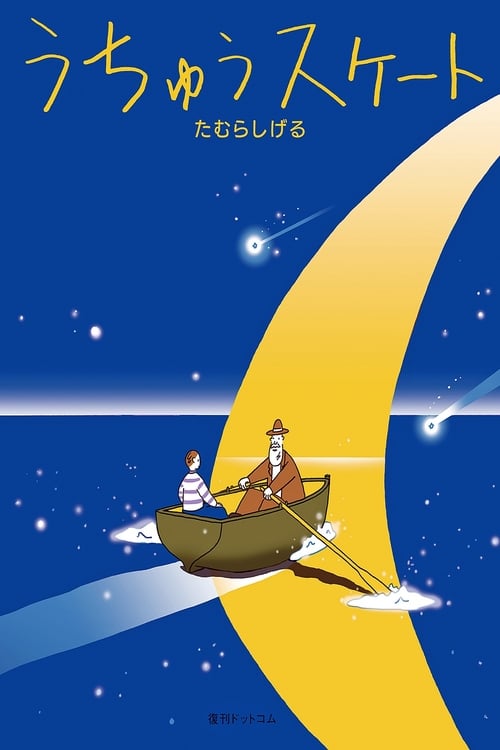
On what apparently is a parallel world, time flows in a much slower pace than normal. The ocean remains on a solid state of matter as the eccentric individuals who inhabit this land casually wander over it.
1984
1985
2007

2018
1993

1949

2015

1985
No reviews yet. Be the first to share your thoughts on this movie!
Use the rating form above to leave a star rating and optional review.