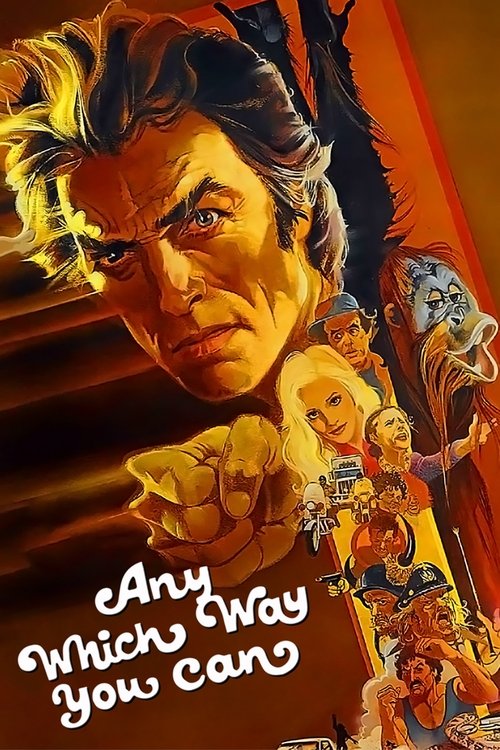
Any Which Way You Can
1980
No user ratings available yet
Representation score: 1.1 out of 10
Representation Score
Minimal
1978
PGDirector
James Fargo
Runtime
110 minutes
Average Rating
No ratings yetNew Showbiz Analysis
The film is a classic embodiment of the 'rugged individualist' archetype, emphasizing physical strength and traditional values. It adheres closely to the conventions of its time, focusing on individual heroism rather than exploring social complexities. Narratively, the film sticks to established social norms, relying on hyper-masculine stereotypes and a homogeneous cast. It offers little in the way of challenging these norms, instead reinforcing traditional gender and racial hierarchies. Overall, the film does not prioritize diverse representation, maintaining a baseline adherence to mainstream norms without venturing into more inclusive storytelling.
Category Breakdown
The film does not include any visible LGBTQ+ characters or relationships that aren't strictly heterosexual. The main romantic storyline focuses on a male character pursuing a female lead.
The film emphasizes traditional gender roles, showcasing strong masculine traits. The female lead has a significant role but is portrayed within a 'femme fatale' stereotype rather than challenging gender norms.
The cast is primarily made up of white actors, reflecting a specific cultural context. There is a noticeable lack of characters from diverse racial backgrounds who have substantial roles.
The story centers around traditional Western values and the image of the hardworking American laborer. It celebrates the idea of the independent worker without critically examining the broader societal structures.
The film does not include any characters with physical or cognitive disabilities. There are no scenes where characters navigate life with visible or hidden impairments.
Present on Screen
Limited or Absent
Official Synopsis
Philo Beddoe is your regular, easygoing, truck-driving guy. He's also the best bar-room brawler west of the Rockies. And he lives with a 165-pound orangutan named Clyde. Like other guys, Philo finally falls in love - with a flighty singer who leads him on a screwball chase across the American Southwest. Nothing's in the way except a motorcycle gang, some cops, and legendary brawler Tank Murdock.
1980
1974
1977
1970
1989
1961

1980
1979
No reviews yet. Be the first to share your thoughts on this movie!
Use the rating form above to leave a star rating and optional review.