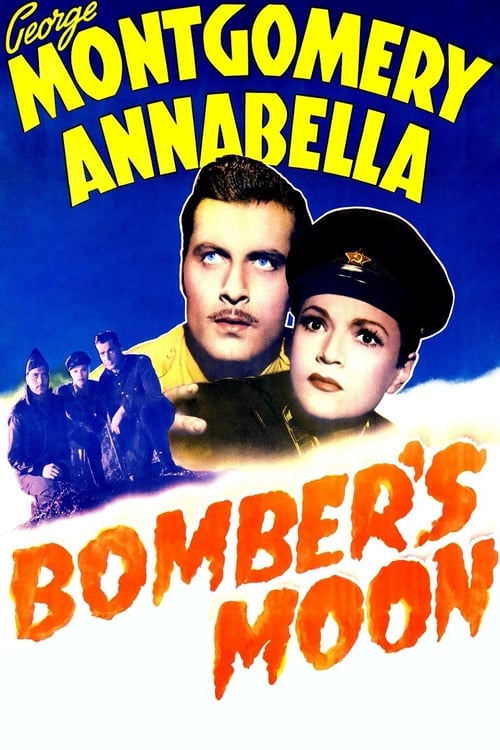
Bomber's Moon
1943
No user ratings available yet
Representation score: 0.8 out of 10
Representation Score
Minimal
1962
NRDirector
Philip Leacock
Runtime
105 minutes
Average Rating
No ratings yetNew Showbiz Analysis
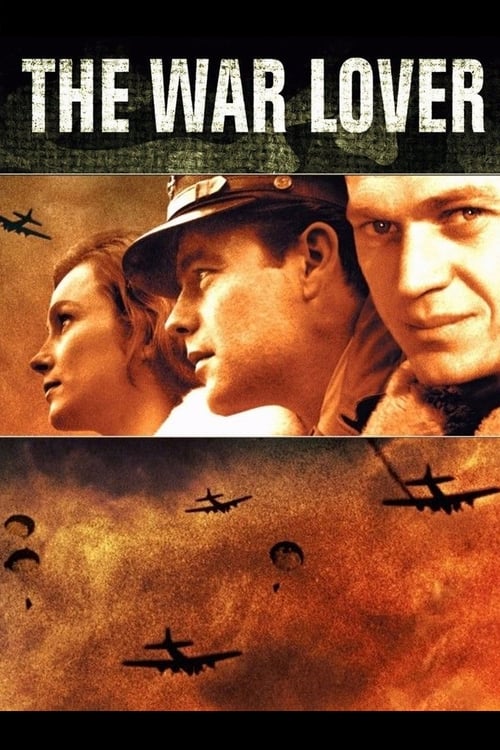
The War Lover is a product of its 1962 production era, adhering to the rigid social and narrative hierarchies of mid-century cinema. The film centers on a homogeneous, male-dominated military unit, offering almost no complexity or representation of non-straight identities. While the film explores the psychological instability of its protagonist, it does so through the lens of individual pathology rather than a meaningful exploration of neurodivergence. The narrative remains firmly within established Western institutional frameworks. Ultimately, the film lacks diversity in its cast and character roles, prioritizing a traditional patriarchal structure over a diverse or inclusive worldview.
Category Breakdown
The film focuses on hyper-masculine combat bonds and does not depict any queer identities or subtext. It operates within a framework that assumes everyone is straight.
Gender hierarchies are reinforced through a male-dominated military setting. Female characters are relegated to secondary, domestic, or romantic roles that serve as foils to the protagonist.
The cast reflects a homogeneous demographic typical of its era. The narrative lacks characters of color with significant roles or intentional racial blending.
The story adheres to conventional mid-century Western values. It frames the protagonist's impulses as personal flaws rather than critiquing Western institutions or religious structures.
Psychological symptoms are treated as dramatic character flaws rather than nuanced explorations of mental health. The film relies on traditional clichés regarding the protagonist's death wish.
Present on Screen
Limited or Absent
Official Synopsis
Buzz Rickson is a dare-devil World War II bomber pilot with a death wish. Failing at everything not involving flying, Rickson lives for the most dangerous missions. His crew lives with this aspect of his personality only because they know he always brings them back alive.
1943

1966
1953

1949
1943

2008

1954
1990
No reviews yet. Be the first to share your thoughts on this movie!
Use the rating form above to leave a star rating and optional review.