Gentle Ben
2002
No user ratings available yet
Diversity score: 3.2 out of 10
2004
Director
John Kent Harrison
Runtime
90 minutes
Average Rating
No ratings yetSynopsis
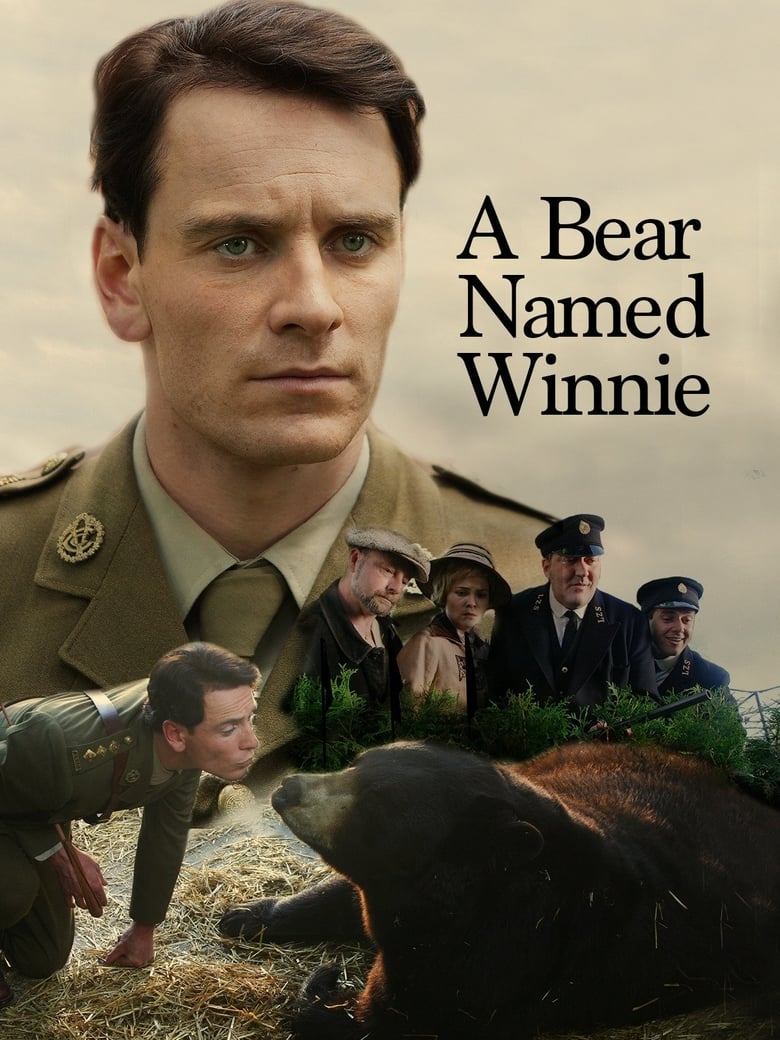
Based on the true story of a Canadian soldier, enroute to World War I from Winnipeg, who adopts an orphaned bear cub at White River Ontario. It is namned Winnie (for Winnipeg) and eventually ends up at the London Zoo where it became the inspiration for A.A.Milne's Winnie The Pooh stories.
Overall Score
Limited
Category Breakdown
LGBTQ+ Representation
The film follows a conventional, heteronormative historical framework. There is no evidence of LGBTQ+ characters or non-cisnormative identities within this biographical account.
Gender Representation
The narrative centers on traditional masculine roles and wartime duty. While it explores nurturing through animal adoption, primary agency remains with male protagonists in a military context.
Racial & Ethnic Diversity
The setting and focus on a Canadian soldier suggest a predominantly Anglo-centric cast. The representation reflects the homogeneous demographic norms of the early 20th-century Western military experience.
Religious & Cultural Diversity
This historical drama emphasizes companionship and duty through traditional Western storytelling values. The narrative follows a linear, celebratory progression of a historical event without institutional critique.
Disability Representation
The story focuses on the relationship between a human and an animal. No specific character arcs regarding neurodivergence or physical disabilities are present.
Strengths
Areas for Improvement
AI Analysis
A Bear Named Winnie is a traditional biographical drama that prioritizes historical accuracy and sentimentality. It adheres strictly to the social constraints of its early 20th-century setting, focusing on a soldier's journey and his bond with an orphaned cub. The film lacks intersectional identities, instead leaning into the homogeneous demographic norms of the era. The narrative architecture is built around conventional Western values and masculine wartime roles rather than subverting established social hierarchies. Ultimately, the film serves as a linear, celebratory account of a historical legacy. It functions as a period piece that mirrors the demographic and social structures of the time period it depicts.
2002
2008
2000

1997
No reviews yet. Be the first to share your thoughts on this movie!
Use the rating form above to leave a star rating and optional review.