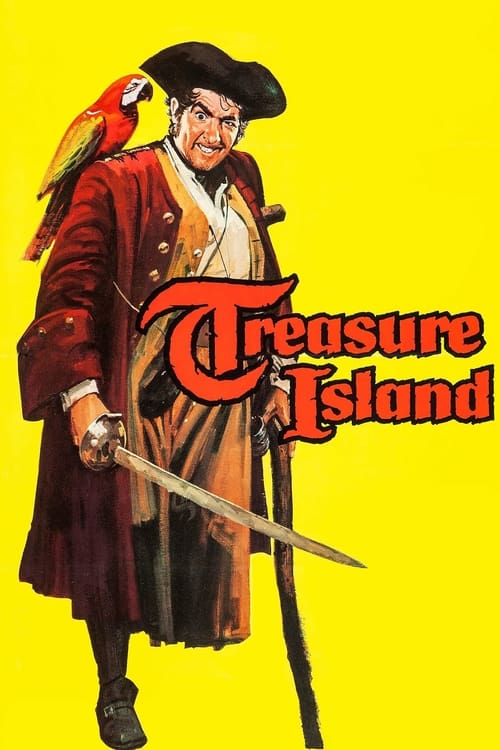
Treasure Island
1950
No user ratings available yet
Diversity score: 0.9 out of 10

1990
Not RatedDirector
Fraser Clarke Heston
Runtime
131 minutes
Average Rating
No ratings yetSynopsis
Young Jim Hawkins, while running the Benbow Inn with his mother, meets Captain Billy Bones, who dies at the inn while it is beseiged by buccaneers led by Blind Pew. Jim and his mother fight off the attackers and discover Billy Bones' treasure map for which the buccaneers had come. Jim agrees to sail on the S.S. Espaniola with Squire Trelawney and Dr. Livesey to find the treasure on a mysterious isiand. Upon arriving at the island, ship's cook and scaliwag Long John Silver leads a mutiny of crew members who want the treasure for themselves. Jim helps the Squire and Espaniola officers to survive the mutiny and fight back against Silver's men, who have taken over the Espaniola.
Overall Score
Minimal
Category Breakdown
LGBTQ+ Representation
The film operates within a strictly heteronormative framework. There are no depictions of same-sex intimacy or non-cisnormative identities, focusing instead on male camaraderie.
Gender Representation
The seafaring plot is almost exclusively male-dominated. While Jim’s mother appears early on, female characters lack the agency to drive the central expedition or leadership roles.
Racial & Ethnic Diversity
The cast is predominantly white and European, reflecting a culturally monolithic world. The narrative does not utilize diverse ethnic representation to challenge the period's historical norms.
Religious & Cultural Diversity
The story functions as a traditional moral fable regarding greed. It reinforces conventional notions of authority and maritime law rather than offering systemic critiques.
Disability Representation
Disability is used as a character archetype rather than a source of agency. Blind Pew serves as a standard trope where physical impairment is linked to menace.
Strengths
Areas for Improvement
AI Analysis
This adaptation of the classic adventure follows a traditional hero's journey that prioritizes historical tropes over modern inclusive storytelling. The narrative architecture is built around a homogeneous cast and rigid social hierarchies. The film lacks intentionality regarding intersectional representation. It relies on established genre archetypes, such as the menacing disabled character, rather than providing nuanced or autonomous portrayals of marginalized identities. Ultimately, the production maintains a conventional period setting that reinforces patriarchal and Eurocentric norms, offering little subversion of the era's social constraints.
1950
1960

1994
1948
1985
1993
1939
1996

1977

2002
1973
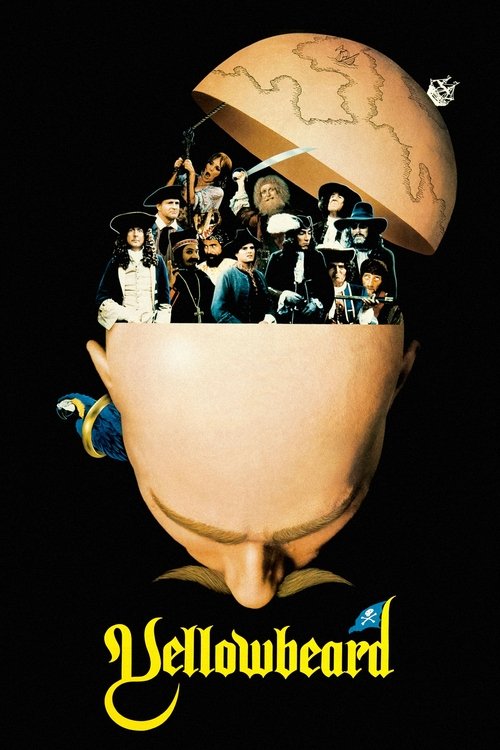
1983
No reviews yet. Be the first to share your thoughts on this movie!
Use the rating form above to leave a star rating and optional review.