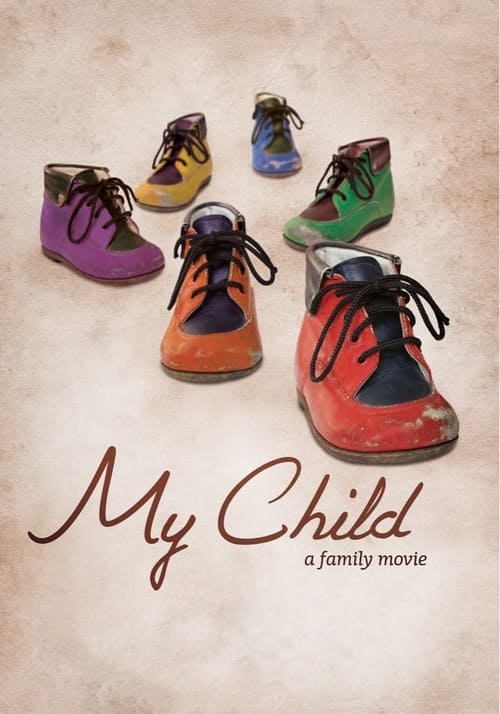
My Child
2013
No user ratings available yet
Representation score: 6.7 out of 10

Representation Score
Good
2011
PG-13Director
Sonali Gulati
Runtime
75 minutes
Average Rating
No ratings yetNew Showbiz Analysis
Sonali Gulati’s documentary is a profound exploration of identity that challenges traditional societal structures within an Indian context. By centering queer women, the film provides a platform for voices often sidelined by broader societal norms. The work succeeds by using a personal lens to examine the interplay of gender, sexuality, and cultural expectations. It avoids the pitfalls of Western-centric depictions, offering instead a localized and authentic investigation of social identity. Ultimately, the film functions as a sophisticated critique of the tension between individual truth and the rigid roles imposed by patriarchal and religious institutions.
Category Breakdown
The film centers on the lives of lesbian and gay individuals, showing their active roles in navigating their identities and intimate relationships. It moves beyond peripheral depictions to offer a nuanced portrayal of their experiences.
The documentary challenges traditional gender roles by highlighting the complexities faced by Indian women. It focuses on women who actively navigate or resist rigid patriarchal structures.
Filmed in India, the work provides an authentic, non-Western perspective on identity politics. It avoids an outsider's gaze by using real-life subjects from diverse social backgrounds.
The narrative critiques how family and religious institutions exert systemic pressure on individuals. It prioritizes personal authenticity over traditional social cohesion and institutional dogma.
There is no evidence within the film to evaluate the representation of physical or neurodivergent disabilities.
Present on Screen
Limited or Absent
Official Synopsis
A lesbian filmmaker returns to her hometown in India to confront her mother's death and interview the parents of other gay and lesbian children.
2013

2015

2012
2015
1994

2012

2021

2011
No reviews yet. Be the first to share your thoughts on this movie!
Use the rating form above to leave a star rating and optional review.