
James Dean
1976
No user ratings available yet
Representation score: 2.3 out of 10
Representation Score
Limited
1991
Director
John Patterson
Runtime
100 minutes
Average Rating
No ratings yetNew Showbiz Analysis
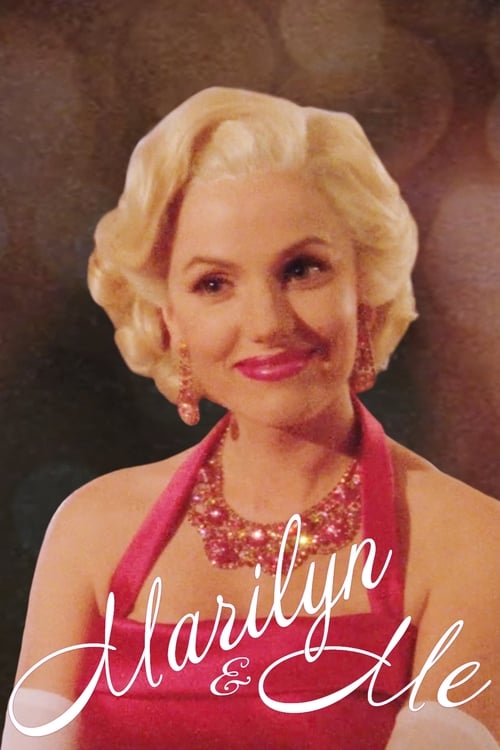
Marilyn and Me operates as a conventional biographical drama that prioritizes a traditional character study. The film adheres strictly to the historical and social norms of its 1940s setting, focusing on the personal connection between Robert Slatzer and Marilyn Monroe. Because the narrative is centered on a white, Anglo-Saxon male and a white female icon, it lacks depth in reflecting multiple aspects of identity. The production does not attempt to disrupt social hierarchies or provide a systemic critique of the Hollywood studio system. Ultimately, the film functions as a standard historical biography. It lacks the narrative structure needed to challenge traditional power dynamics or offer diverse perspectives beyond the central protagonists.
Category Breakdown
The film focuses on the biographical relationship between Robert Slatzer and Norma Jean Baker. It does not include any non-binary or transgender characters or narratives that challenge the assumption that everyone is straight or cisgender.
The story centers on a male protagonist and a female icon. Monroe's portrayal shifts between having a strong role in driving the story and being a 'victim of circumstance.'
Set in the 1940s, the narrative focuses on a white, Anglo-Saxon protagonist and a white female lead. There is no evidence of a diverse cast challenging the era's homogeneity.
This period piece explores the personal history of a Western icon. It respects the historical context of the 1940s rather than critiquing Western institutions or traditional family structures.
There is no discernible focus on neurodivergence, physical disabilities, or mental health as a central narrative driver.
Present on Screen
Limited or Absent
Official Synopsis
Aspiring writer Robert Slatzer befriends Norma Jean Baker in 1946, the year she becomes Marilyn Monroe.
1976

2001
1993

1982

1991

2011
1980
1989
No reviews yet. Be the first to share your thoughts on this movie!
Use the rating form above to leave a star rating and optional review.