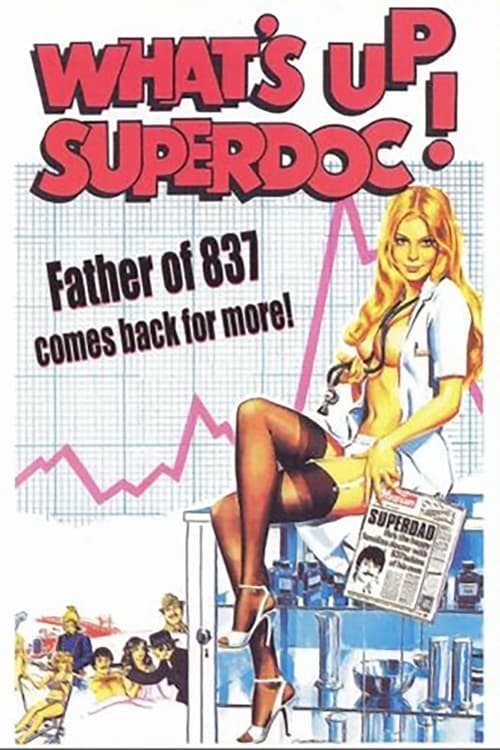
What's Up Superdoc!
1978
No user ratings available yet
Representation score: 1.4 out of 10
Representation Score
Limited
1970
XDirector
Tom McGowan
Runtime
91 minutes
Average Rating
No ratings yetNew Showbiz Analysis
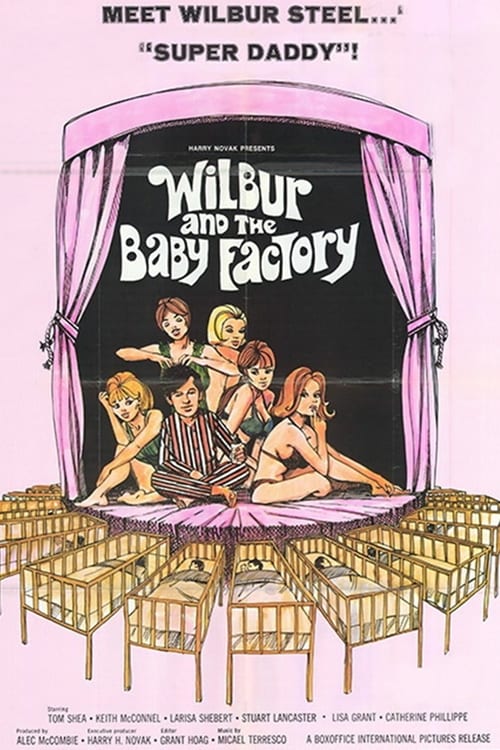
Wilbur and the Baby Factory adheres to the social norms of the 1970s. Its premise of state-mandated procreation highlights systemic control and the commodification of individuals rather than promoting social progress. The narrative structure leans on traditional mid-century comedic clichés. Although it introduces tension between the individual and the state, it lacks depth in addressing multi-layered issues or challenging established social hierarchies. Overall, the film aligns with the demographic and social norms of its time, prioritizing a biological mission over diverse representation.
Category Breakdown
The film does not include any characters who identify as LGBTQ+ or have non-cisgender identities. The main idea of creating a perfect race emphasizes traditional heterosexual reproduction.
The story revolves around the male protagonist's actions to avoid military service. However, the 'factory' concept suggests a narrow view of gender roles focused on biological functions.
The goal of creating a 'perfect race' implies a focus on uniform biological traits. There is no indication of diverse racial backgrounds or multi-layered casting.
While the film criticizes state institutions like the draft, it does not explore secularism or diverse cultural backgrounds. It focuses on biological essentialism.
There are no characters with visible or invisible disabilities mentioned. The story does not address disability representation.
Present on Screen
Limited or Absent
Official Synopsis
As an alternative to being drafted, a young man is given the job of fathering 2000 children for a future perfect race.
1978

2011

1980
1992
1972

1997
1974
1963
No reviews yet. Be the first to share your thoughts on this movie!
Use the rating form above to leave a star rating and optional review.