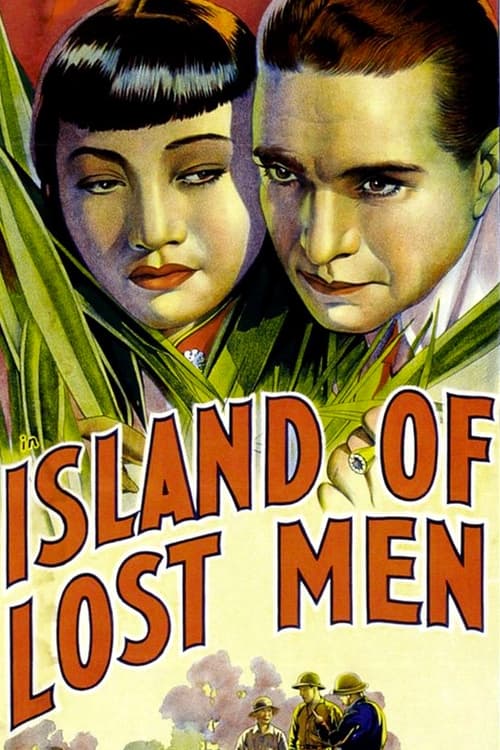
Island of Lost Men
1939
No user ratings available yet
Diversity score: 2.9 out of 10
1967
NRDirector
Jeremy Summers
Runtime
90 minutes
Average Rating
No ratings yetSynopsis
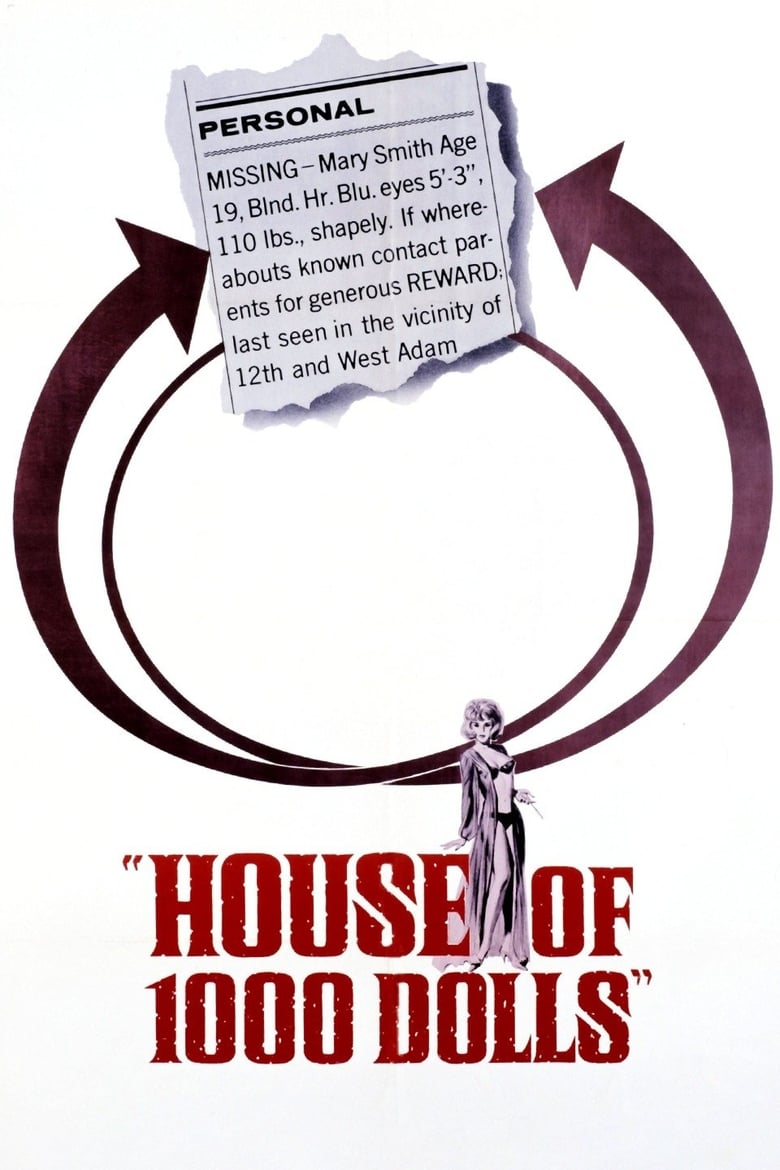
When a vacationing couple in Tangiers runs into an old friend there, they discover that he is searching for his missing girlfriend who has been kidnapped by an international gang of white slavers. Nader investigates but before he can come up with anything, his friend is murdered. Meanwhile, nightclub magician Price and his mentalist partner continue their nefarious activities--they hypnotize and kidnap young women for the white slavers, and spirit them to the "House of 1000 Dolls."
Overall Score
Limited
Category Breakdown
LGBTQ+ Representation
The film lacks any depiction of non-heteronormative identities or same-sex intimacy. The central focus remains on a traditional vacationing couple.
Gender Representation
Female characters appear primarily as passive victims of kidnapping. This structure positions women as catalysts for male action rather than independent agents.
Racial & Ethnic Diversity
The setting of Tangiers provides a non-Western backdrop, but the plot centers on an international gang of white slavers. This risks a colonial perspective.
Religious & Cultural Diversity
The narrative follows a standard Western moral framework centered on law and order. It lacks any significant critique of Western institutions or social systems.
Disability Representation
There is no evidence of characters with physical or neurodivergent disabilities. The synopsis does not feature any representation of impairment.
Strengths
Areas for Improvement
AI Analysis
House of 1,000 Dolls is a mid-century crime mystery that adheres strictly to the genre tropes of its era. The plot follows a traditional heroic rescue framework, focusing on a kidnapping orchestrated by an international criminal syndicate. The film relies on established archetypes that reinforce conventional social hierarchies. It prioritizes a standard law-and-order narrative over the exploration of intersectional identities or the subversion of systemic power dynamics. Ultimately, the work functions as a period-typical exploitation film, offering little in the way of diverse representation or narrative innovation.
No reviews yet. Be the first to share your thoughts on this movie!
Use the rating form above to leave a star rating and optional review.