Sea Tiger
1952
No user ratings available yet
Representation score: 0.6 out of 10
Representation Score
Minimal
1939
NRDirector
Kurt Neumann
Runtime
63 minutes
Average Rating
No ratings yetNew Showbiz Analysis
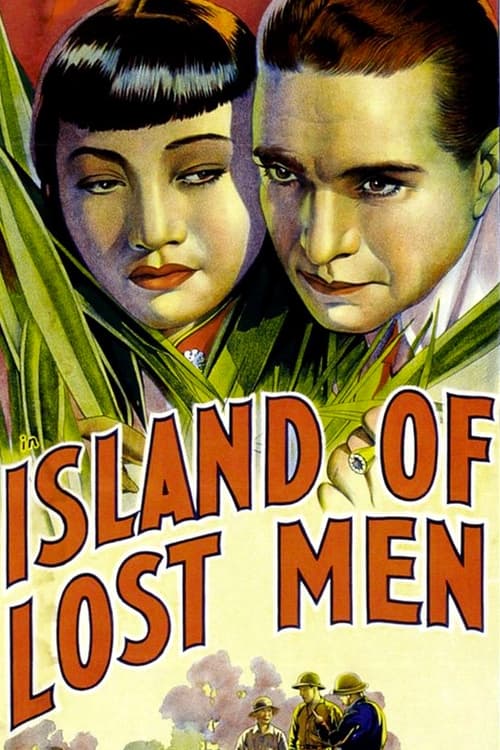
Island of Lost Men is a typical product of its 1930s historical context, focusing on expeditionary themes rather than social complexity. While the inclusion of a Chinese female lead offers a minor departure from purely Anglo-centric casts, the film's structure remains traditional. The narrative heavily relies on colonialist clichés, using the 'primitive' stereotype to establish a hierarchy between explorers and the environment. This approach reinforces the era's standard of Western dominance and scientific rationality. Overall, the film lacks depth in reflecting multiple aspects of identity. It functions as a conventional adventure piece that upholds existing social and racial hierarchies rather than challenging them.
Category Breakdown
The film does not include any identifiable LGBTQ+ characters or non-straight relationships. It follows the traditional assumption that everyone is straight.
Although a Chinese general's daughter drives the plot, the story remains focused on male characters. Female characters mostly act as catalysts for male actions rather than having independent roles.
The film features a Chinese protagonist but uses a colonial perspective. Indigenous inhabitants are portrayed through primitive stereotypes that emphasize the superiority of Western explorers.
The story follows Western adventure clichés, highlighting scientific rationality over local customs. It upholds the era's standard of Western expeditionary dominance and binary moral frameworks.
The film does not prominently depict characters with visible or invisible disabilities. Characters are defined by their roles in the expedition rather than by physical or neurodivergent traits.
Present on Screen
Limited or Absent
Official Synopsis
A Chinese general's daughter tracks her father to a slave-labor tyrant's jungle empire.
1952

1937

1934
1940

1938

1938

1938

1931
No reviews yet. Be the first to share your thoughts on this movie!
Use the rating form above to leave a star rating and optional review.