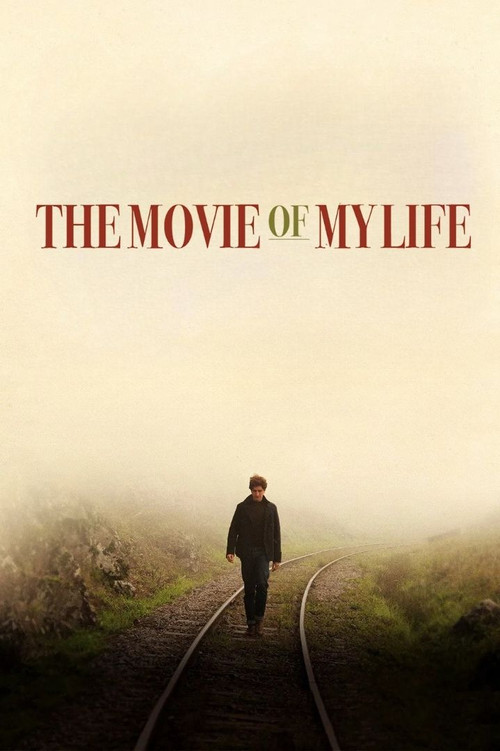
The Movie of My Life
2017
No user ratings available yet
Representation score: 7.3 out of 10

Representation Score
Excellent
2006
Director
Carlos Diegues
Runtime
107 minutes
Average Rating
No ratings yetNew Showbiz Analysis
The film disrupts Western-centric storytelling by shifting the narrative to the socio-economic complexities of the Brazilian slums. This shift allows for a deep exploration of identity and heritage within a non-Anglo-Saxon framework. While the film offers strong racial and cultural depth through its setting, it remains limited by a male-centric perspective and a lack of visible LGBTQ+ representation. The narrative's strength lies in its exploration of class and ethnicity. Ultimately, the story uses a personal medical crisis to explore broader themes of biological roots and cultural belonging, moving beyond traditional, sanitized drama.
Category Breakdown
The film does not include any explicit LGBTQ+ characters or non-straight relationships. It focuses on the protagonist's journey through Rio de Janeiro, emphasizing his biological lineage.
The story centers around a male protagonist, creating a male-focused perspective. However, the plot revolves around finding his biological mother, highlighting the importance of female figures.
By setting the story in the favelas of Rio de Janeiro, the film explores Brazil's complex racial and ethnic landscape. This setting challenges Western norms by focusing on a non-Anglo-Saxon environment.
The film challenges Western-centric narratives by prioritizing Brazilian social realities. The protagonist's terminal illness allows for an exploration of existential truths beyond institutional certainties.
The protagonist's brain tumor introduces themes of neurological vulnerability. He actively navigates his own mortality rather than being a passive victim of his condition.
Present on Screen
Limited or Absent
Official Synopsis
Antônio is an astrophysicist who has just found out he has an inoperable brain tumor. After decades living in the United States, he returns to Brazil and tries to learn more about his biological mother. His quest sends him off into the slums of Rio de Janeiro.
2017

2006
2012

2022

1966

2001
2006

2023
No reviews yet. Be the first to share your thoughts on this movie!
Use the rating form above to leave a star rating and optional review.