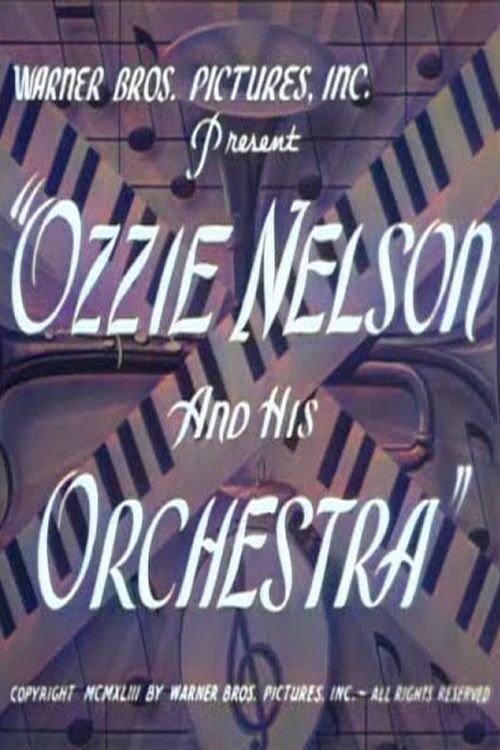
Ozzie Nelson and His Orchestra
1943
No user ratings available yet
Representation score: 0.8 out of 10
Representation Score
Minimal
1940
ApprovedDirector
Jean Negulesco
Runtime
10 minutes
Average Rating
No ratings yetNew Showbiz Analysis
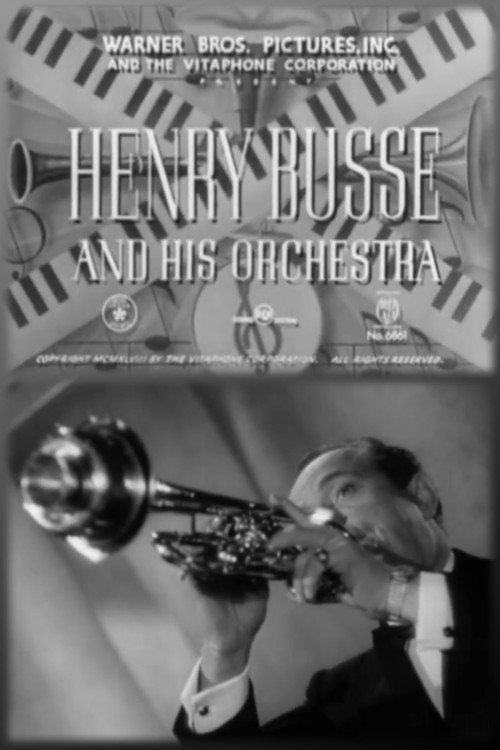
The film opens on a title card establishing the presence of Henry Busse and his Orchestra, a standard promotional artifact of the 1940s Warner Bros. Vitaphone series. The camera’s argument is simple: professional competence is the highest virtue. It frames the all-white, all-male ensemble not as a demographic statement, but as a functional unit delivering a product. The sold meaning is the quality of the music and the respect due to skilled labor. There is no hidden thesis or ideological subtext; the pictures match the billing precisely. The internal logic of the film is unbroken. The leader’s authority is natural, the musicians’ support is competent, and the hierarchy is accepted without friction. The last image, likely a final bow or fade-out, reinforces this stability. It does not challenge the era’s defaults of whiteness and masculinity; it simply inhabits them as the natural condition of professional excellence. The film is a historical record of a specific cultural moment, where the big band was a male, white, meritocratic institution. It offers no critique, no inversion, and no progressive counter-narrative. It is a straightforward celebration of the music and the men who made it, treating the existing social order as the unremarkable backdrop for artistic achievement.
Category Breakdown
No same-sex intimacy or coded identities appear. Male musicians interact strictly professionally. The performance space remains devoid of romantic subtext.
The ensemble is exclusively male, reflecting 1940s big band labor divisions. Women are absent from the performance space. Men remain the sole competent professionals on screen.
The orchestra consists entirely of white men, matching historical demographics. Whiteness serves as the unmarked default for musical professionalism. No non-white musicians are depicted in the frame.
The film treats big band hierarchy as a natural, meritocratic order. Henry Busse’s authority is accepted without question. Traditional professional structures are reinforced through visual framing.
All musicians display intact, healthy bodies capable of performance. No disability, fatness, or medical condition is presented. Physical impairment is entirely absent from the narrative.
Present on Screen
Limited or Absent
Official Synopsis
This one-reel musical short, part of the WB/Vitaphone Melody Master series, features the music of trumpet-player and orchestra leader Henry Busse and his Orchestra, playing their own arrangements of various popular songs of the time...or in the Warners' song library. Those include "Wang Wang Blues," "Hot Lips" and "Along the Santa Fe Trail."
1943

1942
1949
1938
1935
1939
1948
1943
No reviews yet. Be the first to share your thoughts on this movie!
Use the rating form above to leave a star rating and optional review.