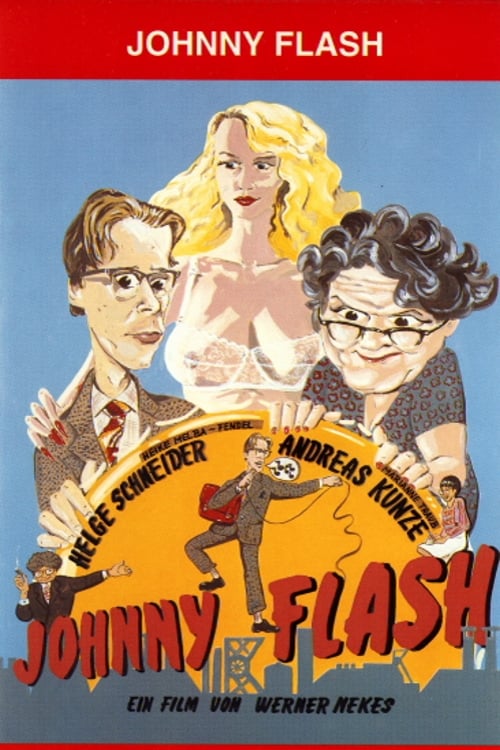
Johnny Flash
1986
No user ratings available yet
Representation score: 2.7 out of 10
Representation Score
Limited
1993
Director
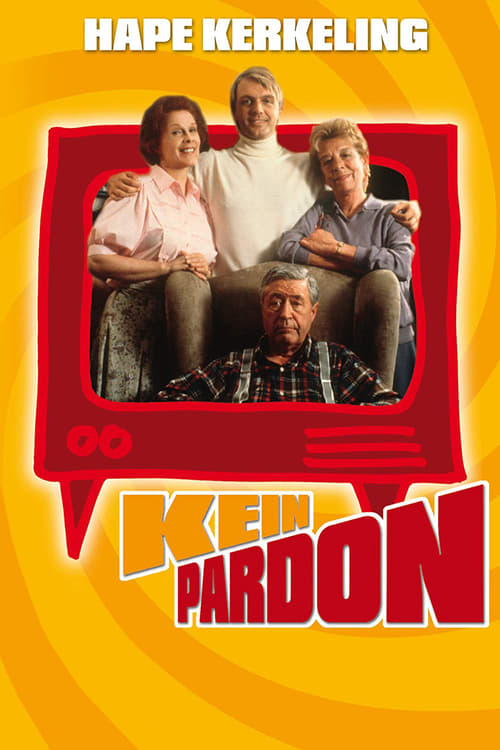
Hape Kerkeling
Runtime
97 minutes
Average Rating
No ratings yetNew Showbiz Analysis
Kein Pardon is a character-driven comedy that prioritizes slapstick and persona-based humor over the deconstruction of social hierarchies. The narrative structure adheres to traditional formats, focusing on individual ambition and professional recognition within media systems. The film serves as a cultural artifact of German comedy but lacks intentionality in addressing overlapping aspects of identity or social power dynamics. It centers on a male-driven pursuit of fame through established television institutions. Ultimately, the work reflects the demographic and narrative norms of its era, offering little disruption to conventional expectations of identity or social representation.
Category Breakdown
The film does not include characters with non-binary gender identities or sexual orientations. It focuses on traditional comedic elements centered around the protagonist's rise to fame.
The plot revolves around male ambition and a male role model. While the film uses gender-bending personas for comedic effect, these do not challenge traditional gender roles.
The production reflects the demographic homogeneity of 1993 German television. There is no evidence of a diverse cast or the use of non-human species to represent different ethnicities.
The story follows a conventional dreamer's journey within established media hierarchies. It does not prioritize secular themes or moral relativism as central to the narrative.
There is no evidence of characters with visible or invisible disabilities. The focus remains on the comedic competence and incompetence of the central characters.
Present on Screen
Limited or Absent
Official Synopsis
Since childhood Peter Schlönzke dreams of a career as a TV presenter. His great role model is Heinz Wäscher, who is always looking for talented young entertainers for his popular show. Peters mother announces her shy boy for an audition, which, although mercilessly goes wrong, but brings him a job as a cable helper. He meets the popular entertainer from the unlikely side: as a bus scrapper who despises his audience. When Peter stumbles into the limelight by chance, he has a unique chance - as successor to scrubber.
1986
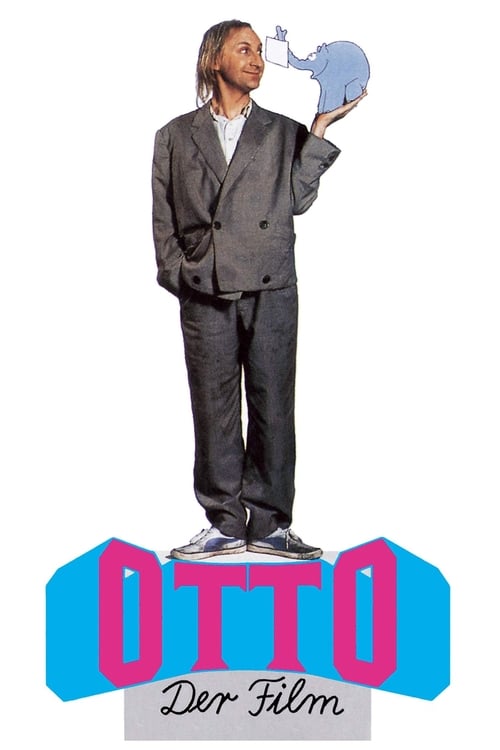
1985
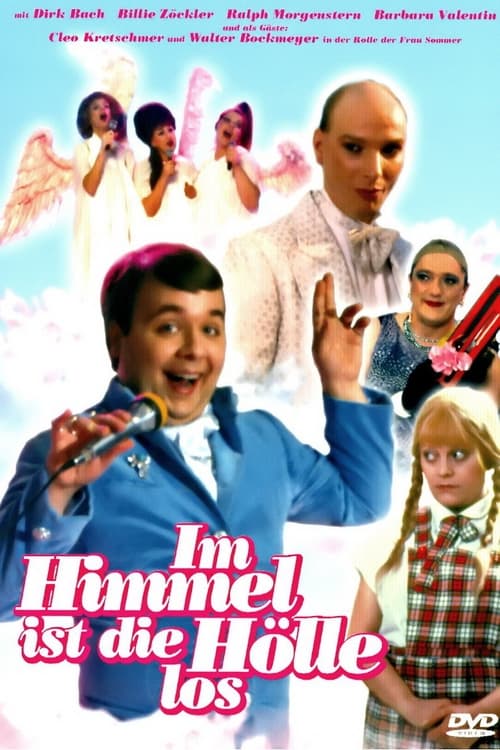
1984

1982
1989

2018
1999

1999
No reviews yet. Be the first to share your thoughts on this movie!
Use the rating form above to leave a star rating and optional review.