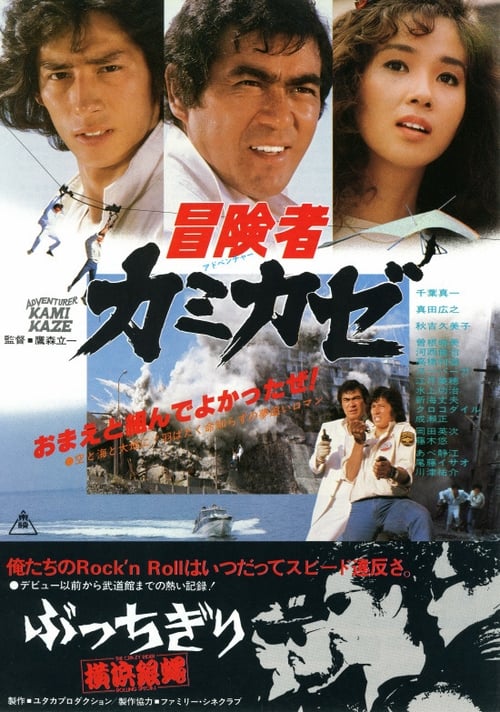
Kamikaze, the Adventurer
1981
No user ratings available yet
Representation score: 5.6 out of 10
Representation Score
Excellent
2009
Not RatedDirector
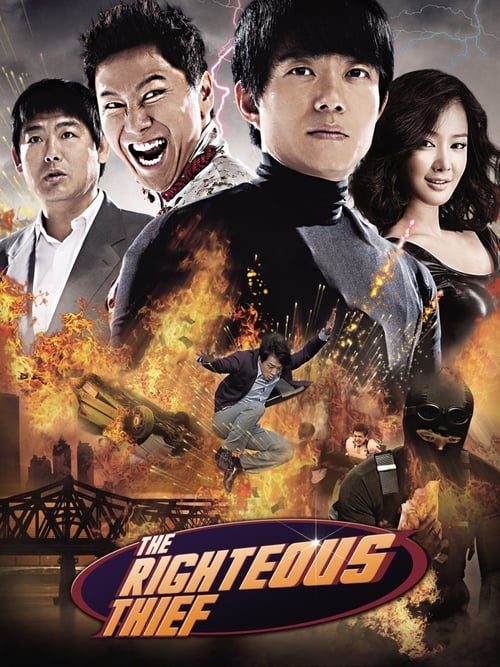
Jeong Yong-ki
Runtime
117 minutes
Average Rating
No ratings yetNew Showbiz Analysis
The film provides a culturally specific lens by grounding its action in South Korean folklore. By using the Hong Gil-Dong mythos, it moves away from Western-centric clichés to explore themes of social justice and systemic friction. However, the representation remains narrow. The narrative architecture relies heavily on traditional masculine archetypes and a hero-versus-villain structure that lacks explicit diversity in gender or LGBTQ+ identities. Ultimately, the film is a study of social disruption. It uses historical archetypes to challenge the sanctity of legal institutions, though it offers little in the way of diverse character variety.
Category Breakdown
The film does not include any explicit mention of LGBTQ+ characters or stories that go beyond the assumption that everyone is straight or cisgender. It focuses on a traditional hero-versus-villain storyline centered around family history and social retribution.
The story centers on a male protagonist, Hong Mu-Hyeok. While the antagonist's gender is not specified, the film uses masculine archetypes of the rogue and protector.
As a South Korean production, the film offers a non-Western perspective. It prioritizes local folklore and a domestic social struggle over Western-centric storytelling norms.
The narrative engages deeply with systemic critique through the legend of Hong Gil-Dong. It reframes theft as a tool for social correction against corrupt power hierarchies.
There is no evidence of characters with visible or invisible disabilities. The narrative does not address disability representation within its current context.
Present on Screen
Limited or Absent
Official Synopsis
Hong Mu-Hyeok is a quiet high school music teacher with a secret. His family descends from the notorious Hong Gil-Dong, a Robin Hood styled thief. He has targeted Lee Jeong-Min, a ruthless ...
1981
1993
2008
1964

2007
2003

2004

2006
No reviews yet. Be the first to share your thoughts on this movie!
Use the rating form above to leave a star rating and optional review.