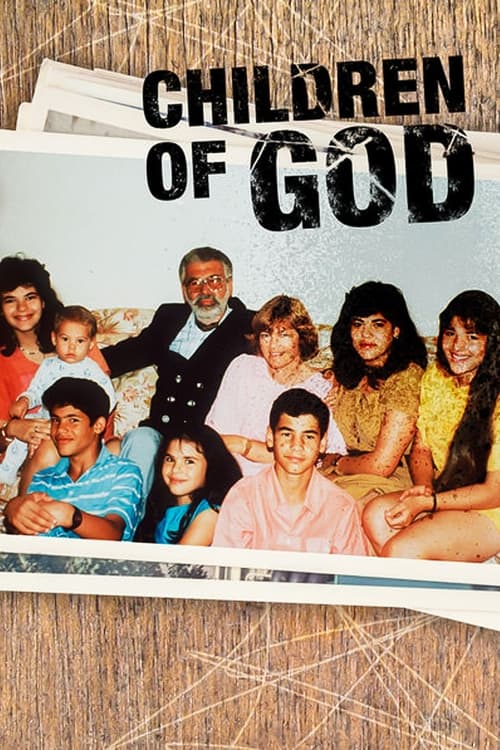
Children of God
1994
No user ratings available yet
Representation score: 4.2 out of 10
Representation Score
Limited
2007
TV-MADirector
Noah Thomson
Runtime
66 minutes
Average Rating
No ratings yetNew Showbiz Analysis
This documentary serves as a testimonial deconstruction of high-control religious environments. It emphasizes individual ability to act and personal truth over institutionalized morality. The film's strength lies in its cultural critique, challenging the sanctity of evangelical dogma. However, the lack of specific data regarding racial, ethnic, or LGBTQ+ identities hinders a comprehensive diversity assessment. Ultimately, the work succeeds in exposing systemic dysfunction within traditional institutions through a first-person lens.
Category Breakdown
The film does not provide verified information about specific LGBTQ+ character arcs or identities. There is no confirmation of representation in this area.
The narrative likely examines how individuals navigate or resist patriarchal religious structures. It suggests a disruption of traditional hierarchies through the lived experiences of its subjects.
The racial and ethnic composition of the subjects remains unverified. The synopsis does not provide data on the demographic makeup of the cast or participants.
The documentary strongly critiques traditional Western religious institutions. It challenges religious dogma by portraying spiritual structures as potentially oppressive or psychologically harmful.
There is no specific mention of neurodivergence or physical disability. While trauma is a central theme, it is not categorized as a disability metric here.
Present on Screen
Limited or Absent
Official Synopsis
A first-person account of growing up in an evangelical Christian cult.
1994
2016
2010

2021

2016
2006

2007

2006
No reviews yet. Be the first to share your thoughts on this movie!
Use the rating form above to leave a star rating and optional review.