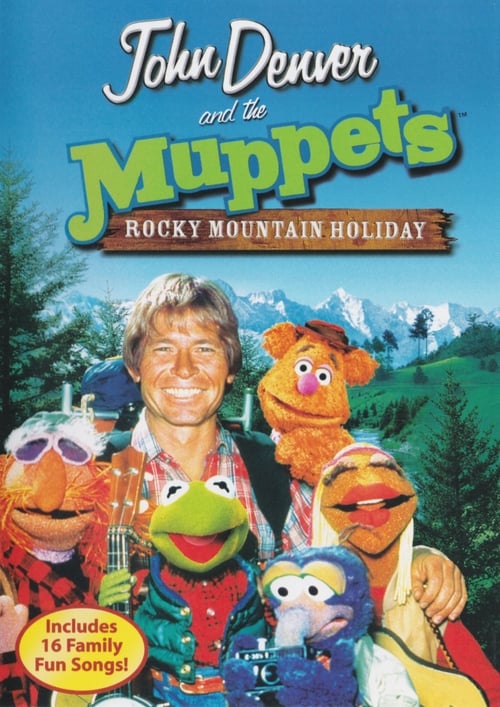
Rocky Mountain Holiday with John Denver and the Muppets
1983
No user ratings available yet
Representation score: 2.6 out of 10
Representation Score
Minimal
1982
Director
Jim Henson
Runtime
50 minutes
Average Rating
No ratings yetNew Showbiz Analysis
The special opens with Miss Piggy strutting into a studio that belongs to her, a picture of celebrity power stripped of narrative pretense. Jim Henson’s 1982 variety format sells the Muppets as a self-sustaining entertainment machine where the puppet star dictates the terms of engagement. The sold meaning is clear: glamour and confidence are the currency, and those who lack them—Kermit in the control room, George Hamilton in the guest chair—are the punchline. The film’s argument is that the show must go on, and the only way to keep it on is to let the star have her way. This creates a tension between the billed premise of a collaborative variety show and the on-screen reality of Piggy’s unilateral control. Kermit, the nominal director, is reduced to a nervous observer, his authority mocked by the chaos he cannot manage. George Hamilton, a real-life A-list actor, is physically and socially dismantled by Piggy’s advances, his discomfort playing for laughs rather than empathy. The film does not critique celebrity culture; it worships it, presenting the Muppet ensemble as a meritocracy where charisma is the only law. The ending settles the moral verdict: when the show is threatened by the prospect of becoming a one-off special, Piggy reacts with violent joy. She wrecks the studio and karate-chops John Ritter, who is impersonating her for the finale. This final image is not a resolution but an assertion. The camera loves Piggy’s rage because it is the only honest response to a world that tries to contain her. The Muppets wave goodbye, unscathed, their legend intact. The film’s internal logic is consistent: in the world of the Muppets, the star is always right, and the audience is always complicit.
Category Breakdown
No queer characters or same-sex intimacy appear. The romantic triangle involves only Miss Piggy, John Ritter, and George Hamilton. The variety format offers no space for non-binary identities.
Miss Piggy commands the stage and the male guests’ attention. Kermit serves as the anxious, subordinate straight man in the control room. The ending rewards Piggy’s dominance as she karate-chops the impersonator and wrecks the studio.
The cast is exclusively white, comprising human guest stars and puppet characters. No non-white performers or ethnic commentary appear on screen. Diversity is limited to puppet species, ignoring human racial dynamics.
The special treats the television studio and celebrity culture as the primary world. Traditional family or national institutions are absent. The Muppet ensemble operates as a self-contained professional unit, affirming the stars’ autonomy over their image.
No characters with physical, sensory, or cognitive impairments are depicted. The puppet bodies are stylized and functional, serving comedic rather than representational purposes. Disability is entirely absent from the narrative.
Present on Screen
Limited or Absent
Official Synopsis
Miss Piggy hosts her own variety show, with special guests John Ritter, George Hamilton and Tony Clifton (Andy Kaufman). Under the direction of Kermit the Frog, the Muppets work in the control room and, amidst chaos, manage to keep the show on the air. Throughout the show, a romantic triangle develops among Piggy, Ritter (who is smitten with the pig) and Hamilton (who is deeply uncomfortable with the star's romantic inclinations).
1983

1987

1981

1984
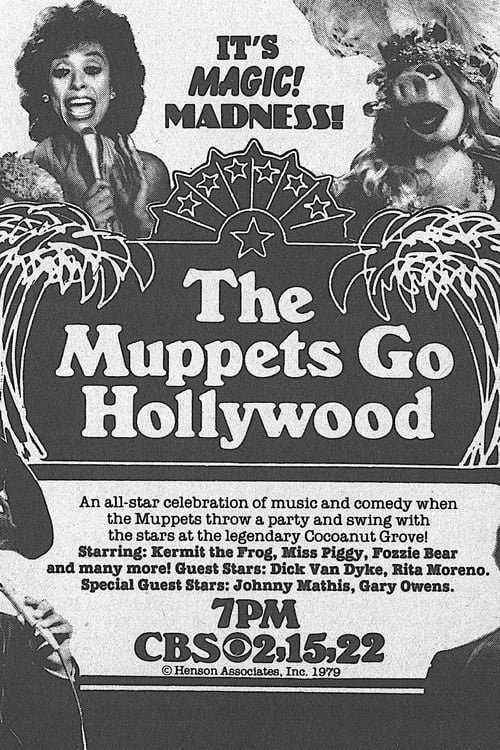
1979
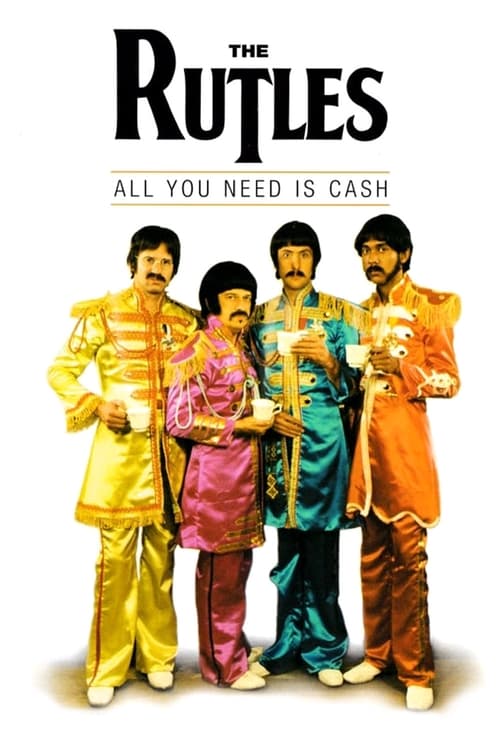
1978
1972

1981
No reviews yet. Be the first to share your thoughts on this movie!
Use the rating form above to leave a star rating and optional review.