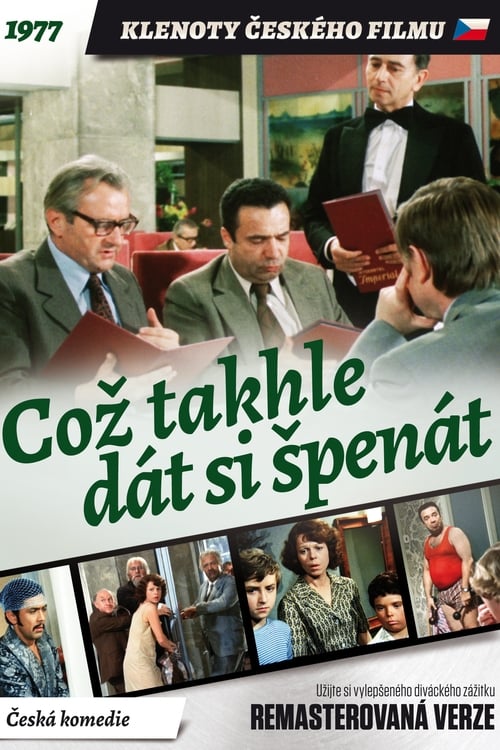
A Nice Plate of Spinach
1977
No user ratings available yet
Representation score: 3.5 out of 10

Representation Score
Fair
1981
Director
Tomáš Svoboda
Average Rating
No ratings yetNew Showbiz Analysis
Blázni, vodníci a podvodníci operates as a stylistic disruption of comedic clichés rather than a multi-layered representation of diverse identities. Its strength lies in its narrative structure, which uses the grotesque to challenge traditional character archetypes and social stability. However, the film is limited by its historical and localized context. It lacks the demographic breadth found in contemporary media, focusing instead on a culturally specific, homogeneous Czechoslovakian setting. Ultimately, the work provides progressive value through its subversion of gender roles and its critique of rigid systemic structures via avant-garde sensibilities.
Category Breakdown
The film does not include explicit LGBTQ+ characters or non-straight relationships. However, the absurd tone of the film may suggest a subversion of traditional courtship rituals.
Zuzana stands out by actively orchestrating surprises and taking control, shifting power dynamics from male-dominated leadership to a more chaotic, female-driven role.
The production context suggests a homogeneous demographic typical of 1981 Czechoslovakia. There is no evidence of racial blending or non-majority casting within this localized framework.
The film uses avant-garde elements and grotesque humor to critique established social orders and disrupt traditional theatrical norms.
The film uses grotesque and absurd elements but does not provide clear evidence of characters with specific disabilities or their level of control over their situations.
Present on Screen
Limited or Absent
Official Synopsis
A crazy comedy, turning into a grotesque with a number of absurd elements, tells the tangled story of the over-the-top siblings Zuzana and Petr, recessionists who like to prepare harsh surprises for those around them, especially Zuzana's timid suitor Karlík. In addition to the hilarious Mr. Horák and the mannequin, the amateur ensemble Dalimil also plays an important role, tirelessly rehearsing an "avant-garde" performance of Jirásek's Lucerna...
1977
1967
1970
1999
1997
1983
1989
2013
No reviews yet. Be the first to share your thoughts on this movie!
Use the rating form above to leave a star rating and optional review.