
My People, My Homeland
2020
No user ratings available yet
Representation score: 6.0 out of 10
Representation Score
Fair
2020
Director
Derek Hui Wang-Yu
Runtime
97 minutes
Average Rating
No ratings yetNew Showbiz Analysis
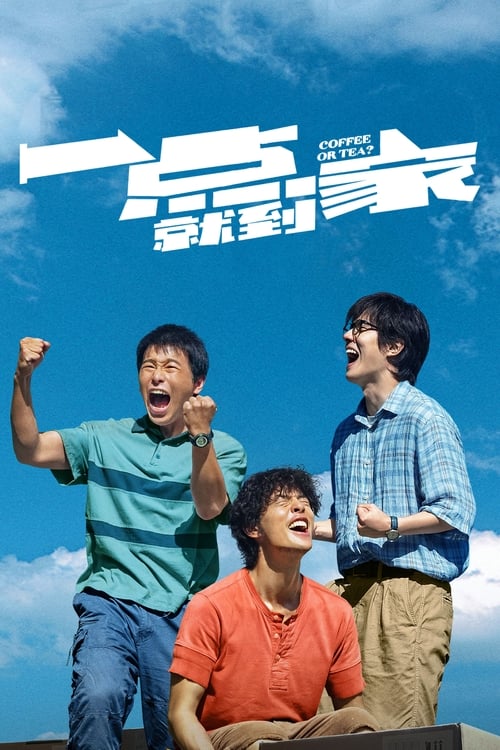
Coffee or Tea? offers a moderate level of representation by shifting the focus to regional landscapes. The setting in Yunnan highlights non-urban perspectives. However, the film remains limited by its narrow character focus. The narrative architecture relies heavily on a male-dominated ensemble, which limits the exploration of gender diversity and multi-layered identities. While the film avoids extreme traditionalism by exploring diverse personal journeys, it lacks the explicit complexity needed for a higher progressive rating. It functions more as a character study of urbanites than a subversive social critique.
Category Breakdown
The film follows the personal journeys of three young men, but there is no indication of non-straight identities or queer themes.
The story centers on a male-dominated trio, focusing on traditional gender roles. It lacks detailed exploration of female characters or deconstruction of gender hierarchies.
Setting the story in a thousand-year-old village in Yunnan highlights regional ethnic identities, moving the focus away from homogenized urban centers.
The narrative explores the tension between urban modernity and traditional rural life, suggesting a critique of big-city capitalism through the characters' return to the village.
The film does not mention characters with visible or invisible disabilities, nor does it document any representation in this category.
Present on Screen
Limited or Absent
Official Synopsis
Three young men with very different personalities. When they leave the big city to return to the thousand-year-old village of Yunnan, they each begin a crazy and dream journey.
2020

2011
2011

2018

2021
1984

2016

2019
No reviews yet. Be the first to share your thoughts on this movie!
Use the rating form above to leave a star rating and optional review.