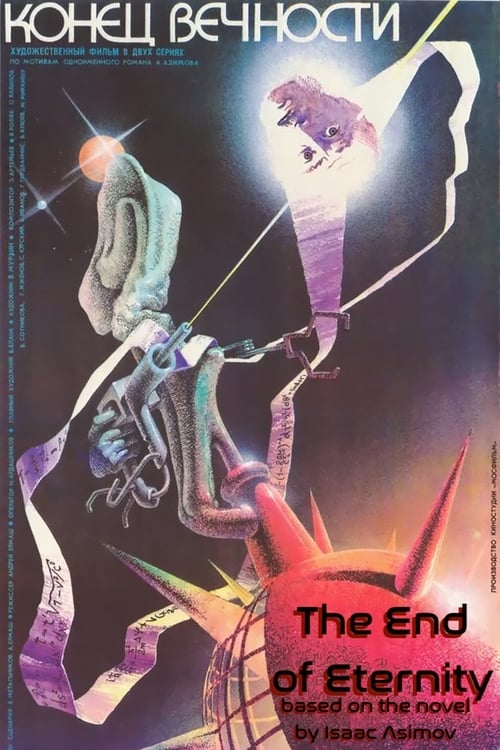
The End of Eternity
1987
No user ratings available yet
Diversity score: 4.1 out of 10
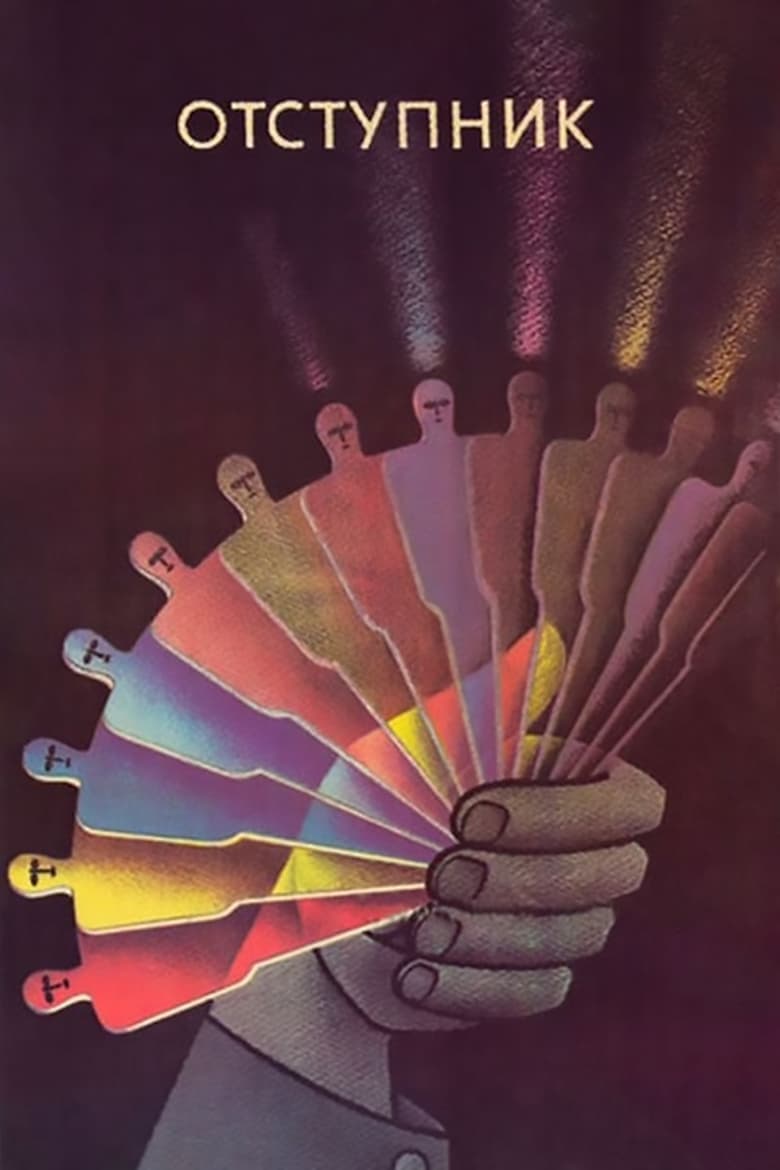
1987
Director
Valery Rubinchik
Runtime
163 minutes
Average Rating
No ratings yetSynopsis
Scientist creates a machine that is able to clone human beings. Soon the Government wants to take hold of it for military purposes.
Overall Score
Fair
Category Breakdown
LGBTQ+ Representation
The film lacks explicit evidence of non-cisnormative identities or same-sex intimacy. The narrative focuses on biological ethics and cloning rather than sexual identity.
Gender Representation
The story centers on a scientist and government figures, likely utilizing traditional masculine archetypes of intellectual authority. There is no visible subversion of gender hierarchies.
Racial & Ethnic Diversity
The production likely features a relatively homogeneous cast typical of its regional context. It does not use non-human species or diverse casting to explore racial metaphors.
Religious & Cultural Diversity
The film offers a critique of institutional power and state military interests. It explores the tension between individual agency and centralized authority.
Disability Representation
There is no information regarding the depiction of physical or neurodivergent characters in this work.
Strengths
Areas for Improvement
AI Analysis
The Apostate functions primarily as a genre-driven cautionary tale about biotechnology and state overreach. Its narrative weight is placed on the ethical dilemmas of cloning rather than the exploration of social identities. While the film provides a meaningful critique of how military ambitions can corrupt scientific discovery, it lacks intersectional complexity. The focus remains on the philosophical struggle between the individual and the system. Ultimately, the film adheres to the stylistic conventions of late-Soviet speculative fiction, prioritizing thematic inquiry into power over contemporary demographic representation.
1987
1992

2000
1995

1996

1982

1987
1984

2005
1972

2006

2009
No reviews yet. Be the first to share your thoughts on this movie!
Use the rating form above to leave a star rating and optional review.