Project: Human Weapon
2001
No user ratings available yet
Diversity score: 3.0 out of 10
1998
Director
Boris Paval Conen
Runtime
90 minutes
Average Rating
No ratings yetSynopsis
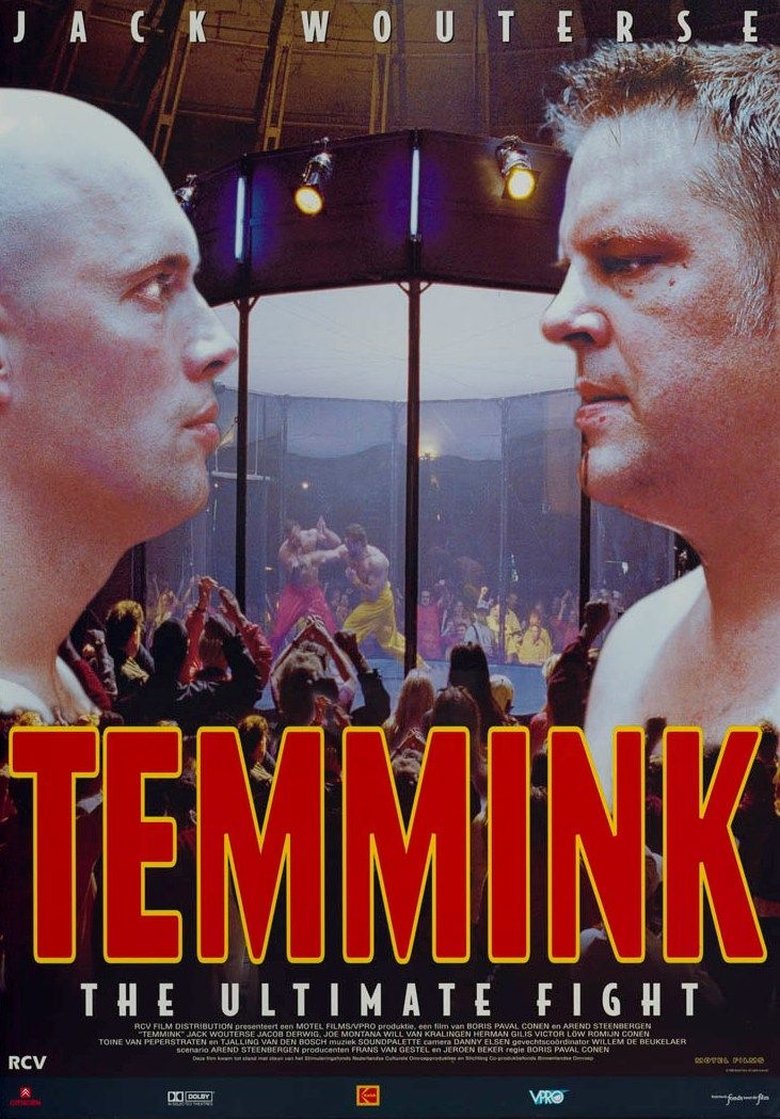
Somewhere in the near future, exists The Arena. Here men with an 'agression gene' with which they want to live no longer, are being admitted to fulfil their wish to die. Through fights to the death, televised by the commercial sportschannel, lives are being ended before one's time. Temmink, one of the gladiators, wins his first fight, finds a friend in a colleague and falls in love with one of the prostitutes. He becomes a national hero and loses his will to die. But, once admitted to the The Arena, there is no return...
Overall Score
Limited
Category Breakdown
LGBTQ+ Representation
The film lacks explicit depictions of same-sex intimacy or non-cisnormative identities. The protagonist's romantic connection is framed through a traditional lens. There is no evidence of queer identities or critiques of heteronormativity.
Gender Representation
The story centers on a male-dominated environment of gladiators. Female characters, such as the prostitute, appear to follow traditional cinematic tropes. There is little evidence of women exercising high agency or subverting masculine leadership.
Racial & Ethnic Diversity
The narrative provides no mention of a diverse or non-white cast. The focus remains on biological traits and the mechanics of the Arena. No specific ethnic composition is established.
Religious & Cultural Diversity
The film offers a strong critique of Western institutional structures and capitalism. It portrays a commercial sports channel as an arbiter of life and death. This highlights themes of systemic oppression and dehumanization.
Disability Representation
The 'aggression gene' serves as a metaphor for neurodivergence or mental health struggles. However, it is unclear if these characters possess true agency. The condition may simply function as a plot device.
Strengths
Areas for Improvement
AI Analysis
Temmink: The Ultimate Fight is a dystopian science fiction piece that prioritizes systemic critique over demographic inclusivity. Its narrative strength lies in deconstructing how capitalism commodifies human life through televised violence. While the film explores themes of biological determinism and institutional oppression, it fails to provide meaningful representation across most identity categories. The focus remains heavily on a male-centric combat narrative. Ultimately, the work functions more as a social commentary on commercialism than a diverse character study, leaving significant gaps in racial, gender, and LGBTQ+ representation.
2001

1991

1998

1998

1989

2001

1983

1998

2007

1989

1994

1995
No reviews yet. Be the first to share your thoughts on this movie!
Use the rating form above to leave a star rating and optional review.