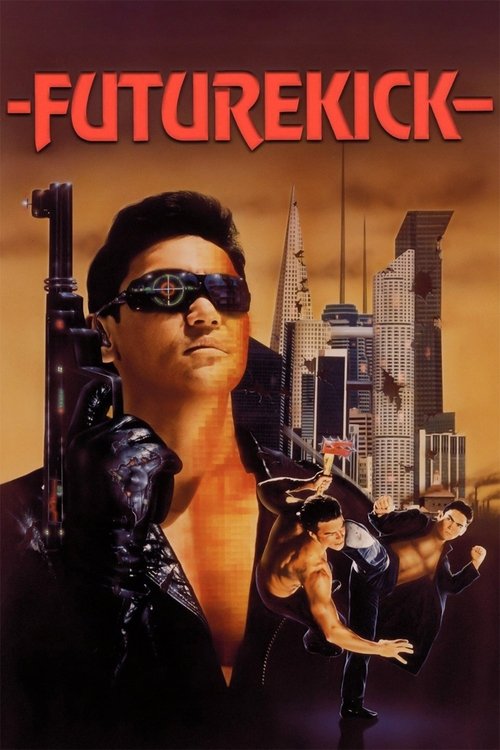
Future Kick
1991
No user ratings available yet
Representation score: 7.3 out of 10
Representation Score
Good
1998
Director
Takashi Miike
Runtime
109 minutes
Average Rating
No ratings yetNew Showbiz Analysis
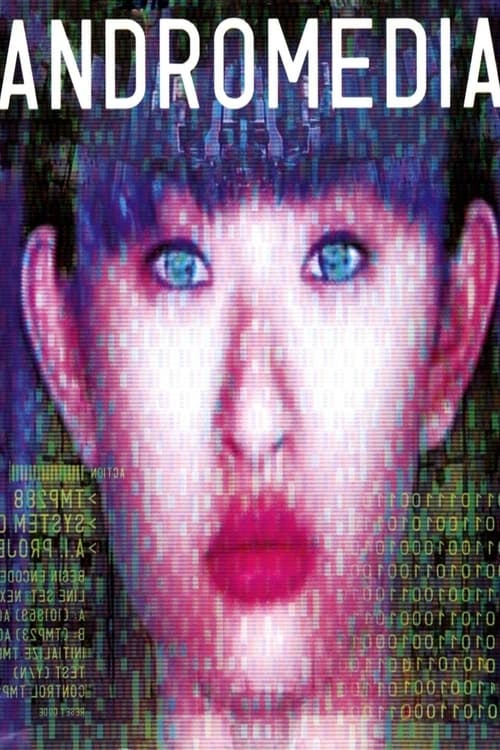
Andromedia serves as a philosophical exploration of grief and technological transcendence. By focusing on a digital reconstruction of a deceased daughter, the film moves beyond typical sci-fi clichés to examine the commodification of human identity. The work successfully challenges Western-centric perspectives on technological singularity, offering a critique of institutional dominance. It frames the struggle for a digital soul against corporate exploitation as a central conflict of ability to act. However, the film’s diversity is primarily thematic rather than explicitly character-driven. While it explores neurodivergence and non-biological existence, specific representations of identity remain largely implied through its high-concept premise.
Category Breakdown
The film explores non-biological existence and the blurring of lines between human and digital entities. While it offers potential for diverse themes, there are no specific LGBTQ+ narratives or identities shown on screen.
A female entity, an AI, is central to the plot. Her fight for autonomy against being treated as proprietary technology challenges traditional passive female roles.
Directed by Takashi Miike, the film provides a non-Western perspective on technological singularity. It challenges Western-centric sci-fi clichés by centering a Japanese cinematic context.
The story critiques predatory capitalist structures by prioritizing the preservation of a soul over corporate ownership. It emphasizes existential truths over materialist institutional interests.
The transition from a biological body to a programmed state explores unique forms of altered existence. The AI must navigate a world not designed for her digital mode of being.
Present on Screen
Limited or Absent
Official Synopsis
After his daughter Mai is killed in an auto accident, a genius programmer recreates her in the form of a computer program called AI. His jealous brother-in-law, wanting to get his hands on the technology for profit, sends his client to steal it and Mai’s father is killed in the process. Learning of her capture, Mai’s old friends race to free AI from her captors so that she won’t fall into the corporate clutches that threaten to erase her soul.
1991

1993

1995

2002
1992
2002

1995
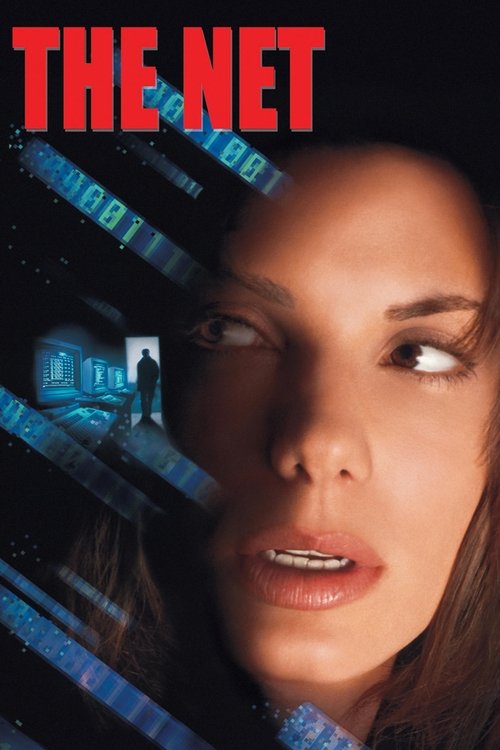
1995
No reviews yet. Be the first to share your thoughts on this movie!
Use the rating form above to leave a star rating and optional review.