The Spirit of the Navajos
1966
No user ratings available yet
Representation score: 0.0 out of 10
Representation Score
Fair
1966
Director
Alfred Clah
Runtime
18 minutes
Average Rating
No ratings yetNew Showbiz Analysis
Alfred Clah’s direction marks a sophisticated departure from 1960s cinematic clichés. By shifting the focus from external ethnographic observations to internal Navajo mythologies, the film actively deconstructs the Western gaze. The work prioritizes cultural ability to act and sovereign perspectives. It moves beyond the colonial 'trading post' view to explore the complex, spiritual depth of Indigenous legends and gods. While specific character-driven data is limited, the foundational intent signals a meaningful contribution to storytelling that reflects multiple aspects of identity by validating non-Western worldviews.
Category Breakdown
There is no specific information about LGBTQ+ characters or plot details to assess queer narratives. The film's content regarding non-straight identities remains unconfirmed.
The focus on legends and gods offers potential to challenge traditional gender hierarchies through divine entities. However, specific scene-level evidence of gendered character arcs is currently missing.
The film centers Navajo mythology to provide significant racial ability to act. By focusing on the 'inside' experience, it rejects the Western tradition of treating Indigenous cultures as mere backdrops.
Centering Indigenous cosmology and spiritualities challenges the singular Christian morality common in 1960s cinema. The narrative structure prioritizes non-Western perspectives and subjective morality.
There is no information available regarding the depiction of physical disabilities or neurodivergence. The documentation does not provide details on these specific representations.
Present on Screen
Limited or Absent
Official Synopsis
Alfred Clah was a Navajo artist from a community outside Pine Springs, AZ. He said: "they making films about things out there, the trading post, things you can see; I'm making films about inside: I like to see scenes that people never expected, the legends, the gods."
1966
1966
1966
1966
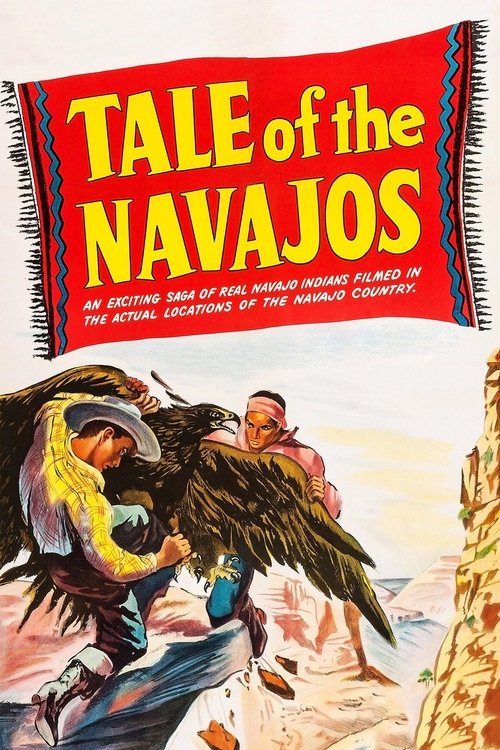
1949
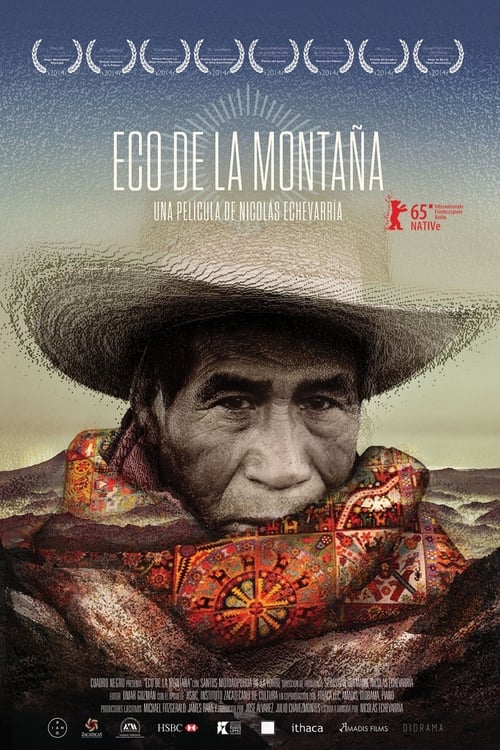
2015
1957
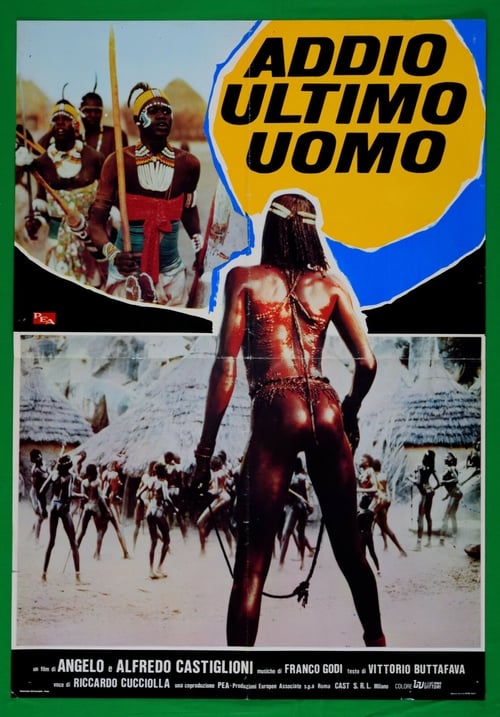
1978
No reviews yet. Be the first to share your thoughts on this movie!
Use the rating form above to leave a star rating and optional review.