
Shadey
1985
No user ratings available yet
Representation score: 5.1 out of 10

Representation Score
Fair
1995
RDirector
Gary Sinyor
Runtime
106 minutes
Average Rating
No ratings yetNew Showbiz Analysis
Solitaire for 2 is a mid-90s comedy that heavily relies on traditional clichés. While the female lead offers a minor subversion of submissive roles by resisting the male gaze, the narrative remains centered on male-centric pursuit dynamics. Diversity is present through characters like Sandip, but these inclusions often serve as comedic devices rather than deep character studies. The film prioritizes social friction over systemic or layered complexity. Ultimately, its dependence on straight-centered structures and comedic gimmicks limits its progressive depth, resulting in a moderate score for representation.
Category Breakdown
The story focuses on heterosexual relationships and conflicts between male and female characters. There are no representations of non-straight or non-cisgender identities or critiques of heterosexuality.
Katie shows strength by confronting the objectifying thoughts of men through physical action. However, the plot depends on the pursuit cliché, where the male lead sees women as conquests.
Sandip adds ethnic diversity to the cast. The film uses language barriers for comedic misunderstandings, but it follows conventional comedic structures.
The film adheres to a typical Western comedic style. It does not critique religion, capitalism, or traditional Western institutions, focusing instead on personal social conflicts.
Telepathy is a central plot device and a source of social isolation. This ability is portrayed as a comedic gimmick rather than a nuanced exploration of neurodivergence.
Present on Screen
Limited or Absent
Official Synopsis
Katie can read minds. Being desirable, the male minds she reads are all thinking of one thing. She always responds by hitting them and storming off without explanation. Daniel is an expert in body language and interprets this as a sign she wants to be pursued. Since Daniel spends most of his time, when not terrorizing his students, pursuing women, Katie gets ever more exasperated that he is treating her exactly as he treats every presentable female from the motorcycle cop to the squeegee girl. She cannot read minds when her eyes are covered, or when minds are thinking in a foreign language, so she misinterprets Sandip's desire for hunger. She also holds Daniel responsible for his subconscious desire for his friend's wife (Caroline).
1985

1994

2007

1991

2002
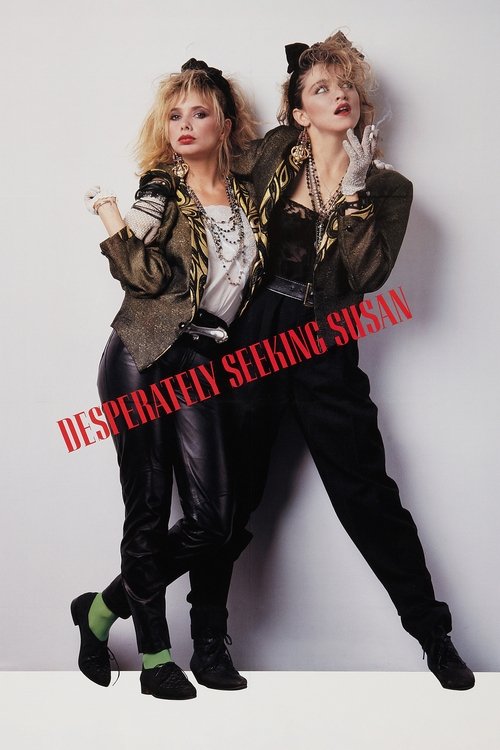
1985

2010

2002
No reviews yet. Be the first to share your thoughts on this movie!
Use the rating form above to leave a star rating and optional review.