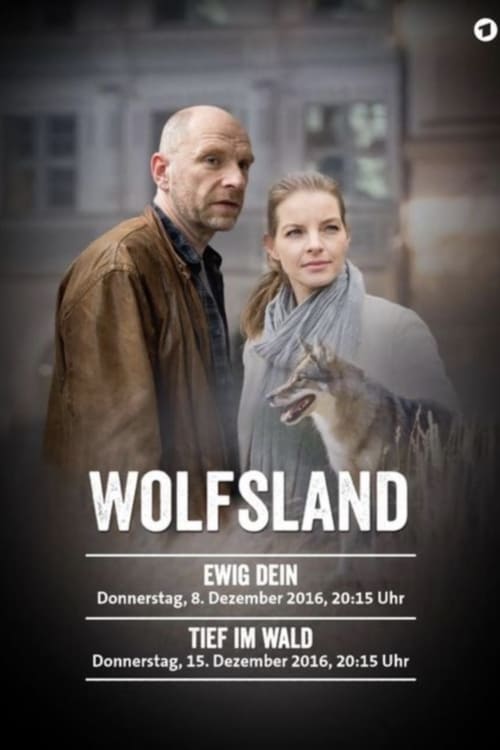
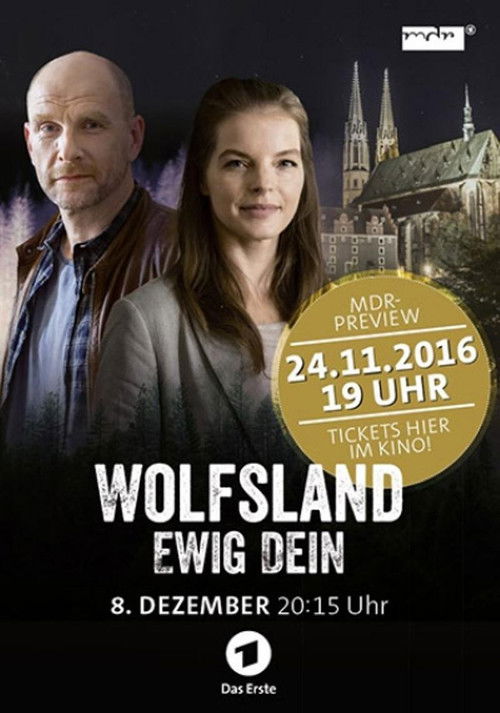
Wolfsland - Tief im Wald
2016
No user ratings available yet
Representation score: 3.8 out of 10
Representation Score
Limited
2016
Director
André Erkau
Runtime
0 minutes
Average Rating
No ratings yetNew Showbiz Analysis
Wolfsland – Ewig Dein adheres to the conventional structure of the European crime mystery. The narrative prioritizes investigative mechanics and individual criminality over systemic social critique or exploration of diverse identities. While the film features a female protagonist and introduces ethnic complexity through a Polish-German couple, these elements serve the plot's functional requirements. They do not disrupt traditional narrative hierarchies or challenge social norms. Ultimately, the film relies on standard genre clichés, such as infidelity and desperate fugitives, which keep the focus on localized tension rather than progressive social discourse.
Category Breakdown
The film centers on a heterosexual affair involving a married woman and her lover. There are no characters or narratives that explore LGBTQ+ identities or challenge the assumption that everyone is straight or cisgender.
Viola Delbrück is a female protagonist and former criminal investigator. She holds a position of intellectual authority, but the film's adherence to traditional crime genre roles is unclear.
A Polish-German couple adds ethnic complexity within a European context. However, these characters seem to function as typical genre archetypes without exploring broader racial themes.
The story unfolds within a traditional Western legal framework focused on police investigations. It reinforces established institutional stability without critiquing Western social or political structures.
The narrative does not include any characters with visible or invisible disabilities. There is no representation in this area.
Present on Screen
Limited or Absent
Official Synopsis
The body of John Staffler, a well-known, successful lawyer, lies in front of the police officers. In his mouth: a red thong that definitely doesn't belong to his wife. At least that's what the former Hamburg criminalist Viola Delbrück and the Upper Lusatian loner Burkhard Schulz agree on. And also in the fact that the place where the body was found is not the crime scene. The investigation leads them to a country estate where Staffler apparently housed his lover. The trail continues to lead them to a young Polish-German couple, whose escape becomes more and more desperate the closer the two inspectors get to them.
2016
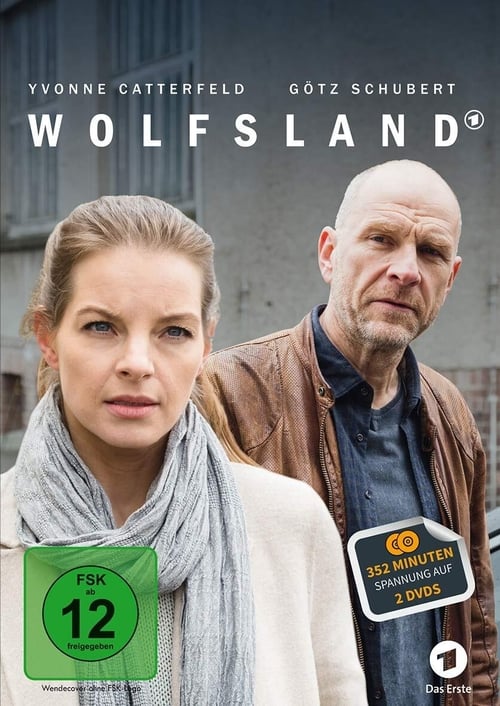
2019
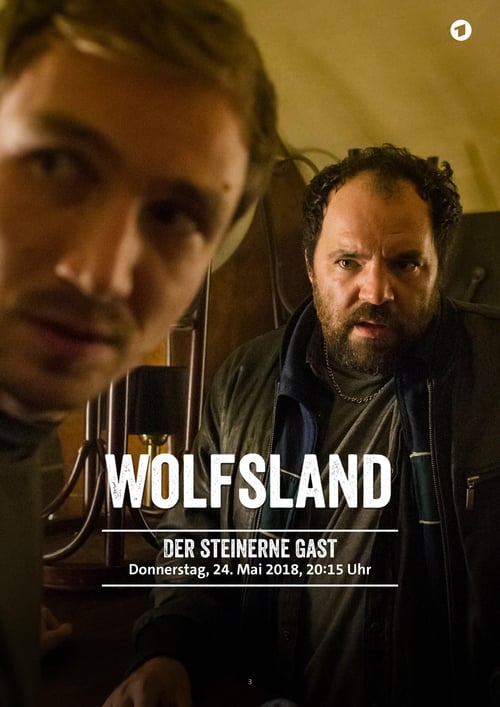
2018

2019
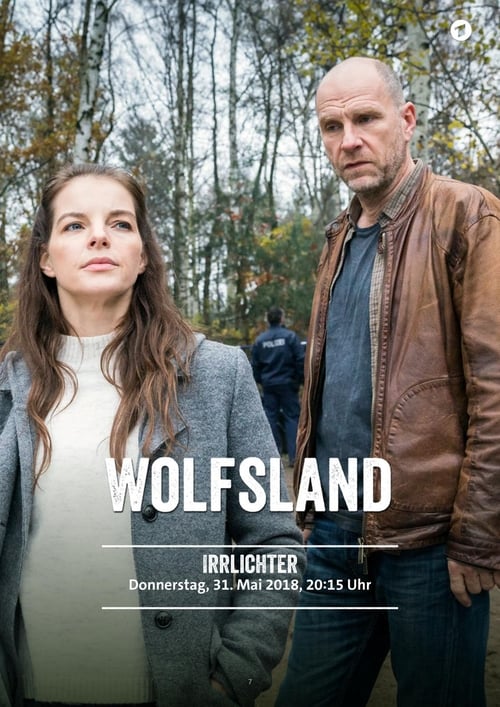
2018
No reviews yet. Be the first to share your thoughts on this movie!
Use the rating form above to leave a star rating and optional review.