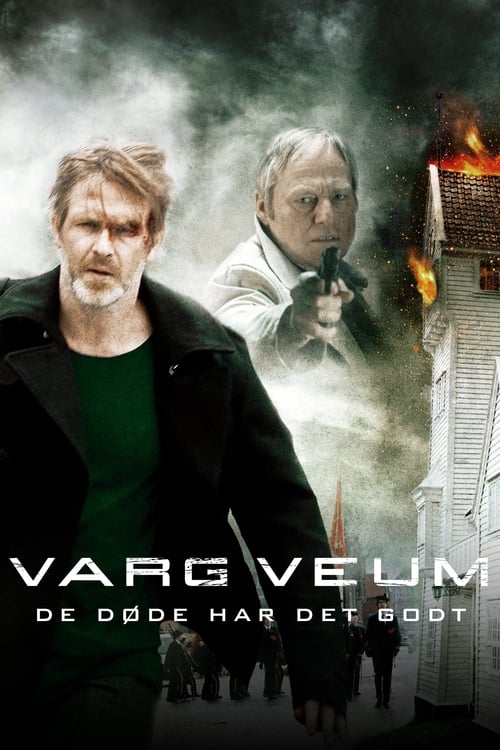
Varg Veum - The Dead Have It Easy
2012
No user ratings available yet
Representation score: 1.9 out of 10
Representation Score
Limited
2018
Director
Till Franzen
Average Rating
No ratings yetNew Showbiz Analysis
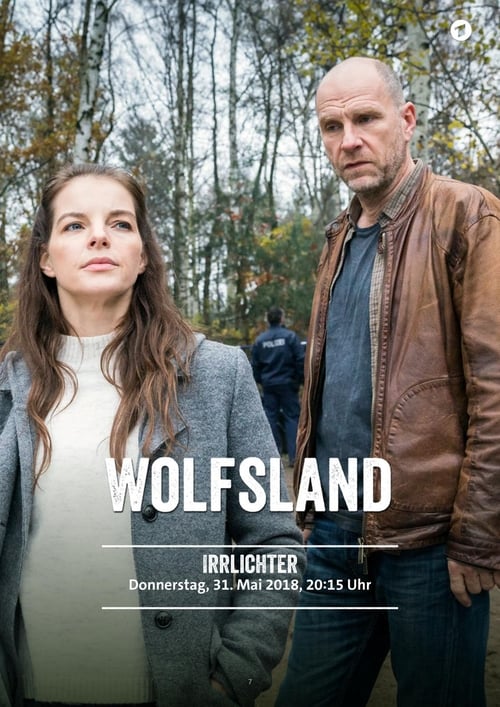
Wolfsland – Irrlichter functions as a typical crime and mystery production that prioritizes genre conventions over social critique. The creative direction focuses on established formulas rather than storytelling that reflects multiple aspects of identity or progressive narrative structure. The cast and setting reflect traditional European norms, resulting in low scores for racial and LGBTQ+ representation. The film lacks the intentionality needed to challenge systemic hierarchies or provide diverse character's ability to drive the story. Ultimately, the work operates within a conventional framework of justice and order, offering little in the way of cultural or identity-based deconstruction.
Category Breakdown
The film lacks visible LGBTQ+ presence or stories that explore non-straight identities. It follows traditional genre structures without challenging queer norms.
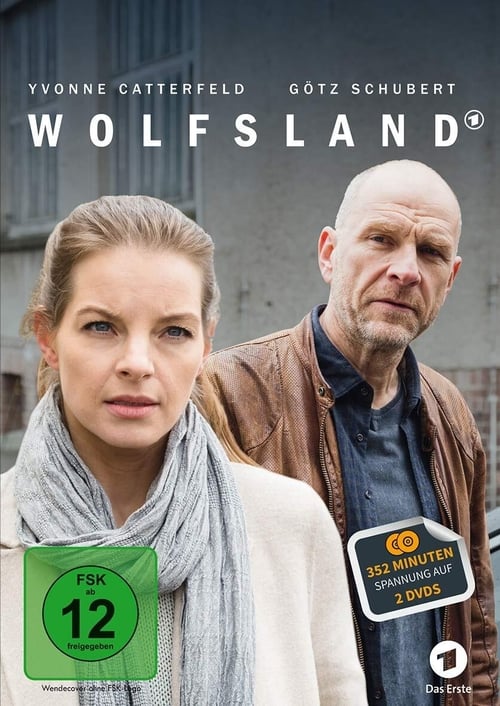
Female actors such as Yvonne Catterfeld play important roles, but the narrative often centers on male leadership. There is little evidence of challenging gender hierarchies.
The cast primarily features actors fitting standard European casting norms for the crime genre. It lacks characters of color with significant roles or diverse casting.
The film adheres to conventional investigative frameworks focusing on legal or moral order. It lacks critiques of traditional institutions or structures.
There is no evidence of characters with visible or invisible disabilities in this production.
Present on Screen
Limited or Absent
2012
2018
2019
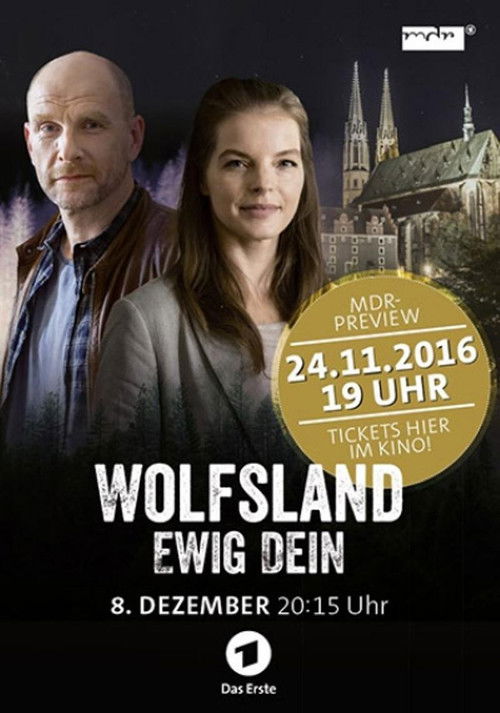
2016
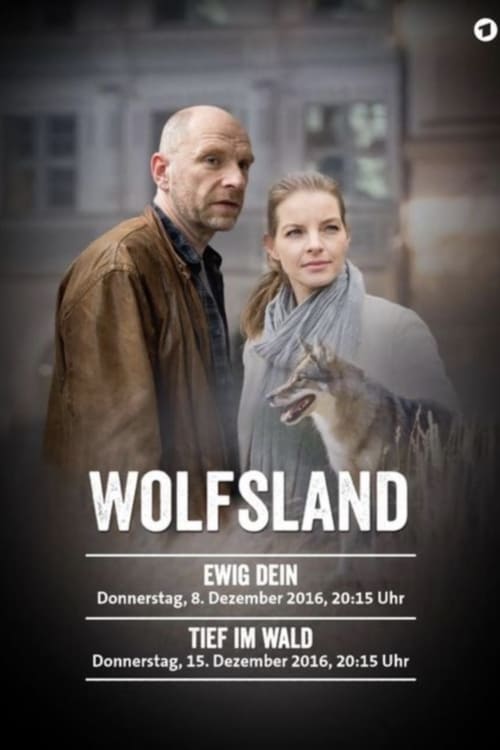
2016

2019
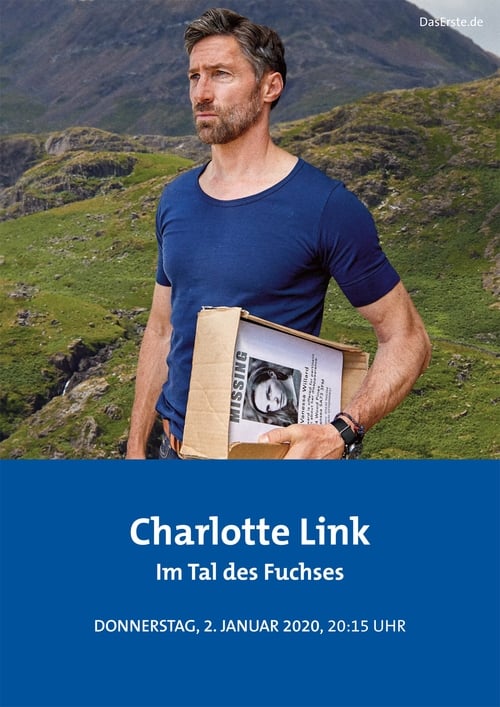
2020

2018
No reviews yet. Be the first to share your thoughts on this movie!
Use the rating form above to leave a star rating and optional review.