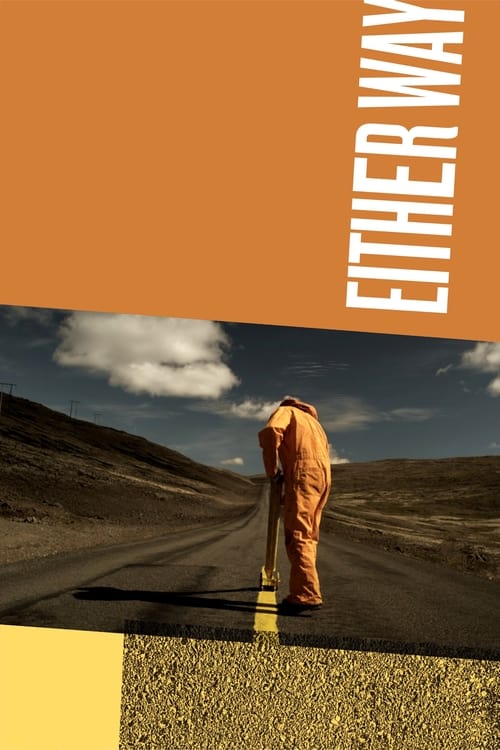
Either Way
2011
No user ratings available yet
Representation score: 4.8 out of 10

Representation Score
Limited
2004
Director
Taika Waititi
Runtime
12 minutes
Average Rating
No ratings yetNew Showbiz Analysis
Taika Waititi’s early work excels at deconstructing traditional social performances through a grounded, culturally specific lens. By focusing on the messy realities of adolescent social hierarchies, the film avoids the polished, idealized versions of youth often seen in mainstream cinema. The film's strength lies in its portrayal of young men as vulnerable and socially awkward, offering a nuanced view of masculinity. However, the film lacks explicit representation of LGBTQ+ identities or disability, limiting its breadth to a narrow, straight-centered social framework.
Category Breakdown
The film centers on heterosexual relationships among adolescents and does not depict any non-cisgender identities or queer subtext.
The film challenges traditional gender stereotypes by showing young men as vulnerable and socially awkward, emphasizing their emotional uncertainty.
The film presents a localized, non-Western-centric perspective rooted in the New Zealand cultural landscape. While specific multi-layered identities are not highlighted, it moves away from Western storytelling norms.
The story avoids grand institutional narratives like religion or patriotism, focusing instead on the micro-politics of peer groups and the unrefined reality of childhood development.
There are no visible or narrated depictions of physical or neurodivergent disabilities within this film.
Present on Screen
Limited or Absent
Official Synopsis
Sometimes first love is found in the most unlikely of places, like in the carpark outside the Te Kaha pub.
2011

2004

2011

2000

2020

2004
2001

2016
No reviews yet. Be the first to share your thoughts on this movie!
Use the rating form above to leave a star rating and optional review.