House About It
1950
No user ratings available yet
Representation score: 0.8 out of 10
Representation Score
Minimal
1948
ApprovedDirector
Jules White
Runtime
18 minutes
Average Rating
No ratings yetNew Showbiz Analysis
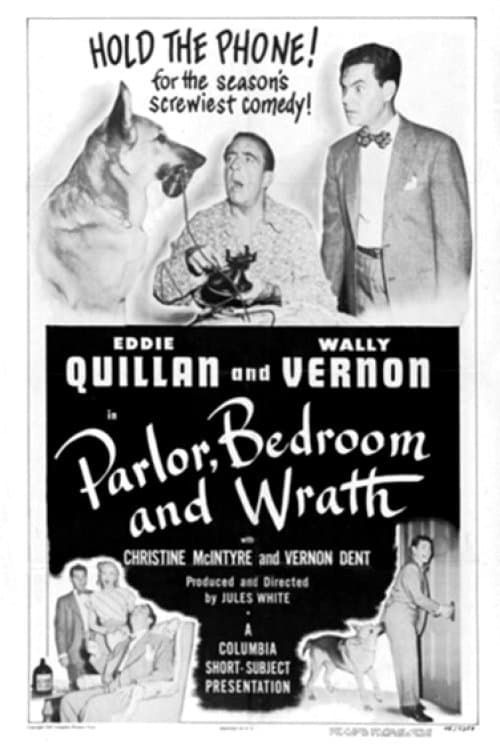
Parlor, Bedroom and Wrath is a product of the mid-20th-century studio system, directed by Jules White, a specialist in slapstick comedy. The film's structure relies on conventional domestic conflict, specifically the disruption of a quiet household by extended family members. Because the narrative centers on a protagonist, a brother-in-law, and children, it adheres to the traditional nuclear family models prevalent in 1948. The film does not appear to challenge or subvert the social hierarchies of its era. Ultimately, the work functions within a narrow comedic framework that prioritizes slapstick and domestic clichés over diverse identity-based ability to act.
Category Breakdown
The film does not include any characters with non-straight or non-cisgender identities. The story revolves around a traditional family structure involving a brother-in-law and children.
The domestic setting suggests a reliance on mid-century gendered clichés. There is no indication of women driving the plot or challenging established social hierarchies.
The production likely reflects the homogeneous casting standards of the late 1940s. No evidence of diverse ensemble work or race-bent casting is present.
The premise aligns with traditional Western views of family dynamics and social responsibility. It lacks any systemic or secular critique.
There is no information available regarding the inclusion of characters with visible or invisible disabilities.
Present on Screen
Limited or Absent
Official Synopsis
Wally intends to have a nice quiet day at home, until his brother-in-law Eddie shows up with his kids.
1950
1954
1948
1948

1942
1956
1930
1949
No reviews yet. Be the first to share your thoughts on this movie!
Use the rating form above to leave a star rating and optional review.