Made In China
2019
No user ratings available yet
Representation score: 4.4 out of 10
Representation Score
Fair
2018
Director
Federico Marcello
Runtime
82 minutes
Average Rating
No ratings yetNew Showbiz Analysis
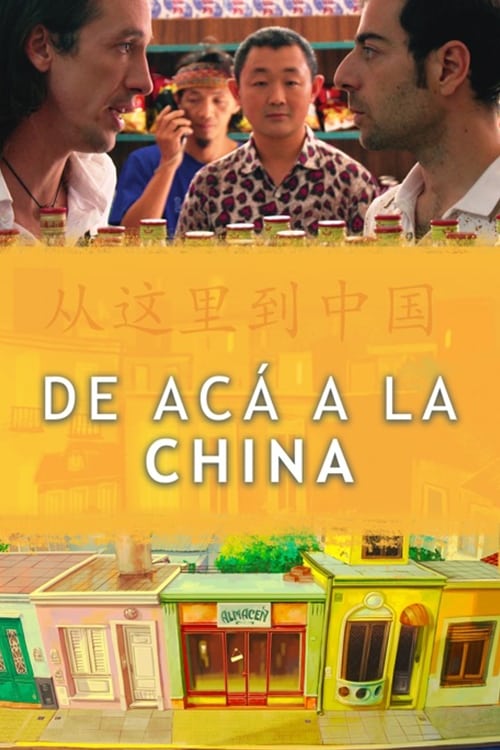
De acá a la China operates as a character-driven economic drama, focusing on the clash between Western and Eastern commercial landscapes. The cross-cultural setting provides a platform for examining ethnic diversity and economic shifts driven by immigrants. However, the film's reliance on a traditional protagonist-driven narrative limits its exploration of broader social issues. The story centers on a male protagonist's quest for revenge, which narrows the scope of its social commentary. Ultimately, the film uses globalized market shifts as a backdrop for personal conflict, offering a unique perspective on economic displacement but lacking depth in broader social representation.
Category Breakdown
The film does not include any explicit LGBTQ+ characters or explore non-straight relationships. The plot centers around family legacy and economic competition.
The story revolves around a male protagonist and his relationship with his father's legacy. It does not delve into subverting traditional gender power structures.
The narrative transitions from Buenos Aires to China, allowing for cross-cultural interactions and an exploration of ethnic diversity and immigrant-driven economic changes.
The film examines the impact of globalization on local markets, highlighting the struggles of small businesses against new economic orders and evolving social norms.
There is no mention of characters with physical or neurodivergent disabilities in this production.
Present on Screen
Limited or Absent
Official Synopsis
In 1986, Facundo's father had a store in the heart of Buenos Aires, and it was very successful. However, in the early 90s, with the arrival of Chinese supermarkets, the store couldn't compete and had to close. Thirty years later, Facundo travels to the other end of the planet with the sole purpose of getting revenge by opening the first Argentine supermarket in China.
2019

1992

2018

2011

2014
1955

2022

2017
No reviews yet. Be the first to share your thoughts on this movie!
Use the rating form above to leave a star rating and optional review.