
A Butterfly in the Night
1976
No user ratings available yet
Representation score: 5.2 out of 10
Representation Score
Limited
1955
Director
Lucas Demare
Runtime
75 minutes
Average Rating
No ratings yetNew Showbiz Analysis
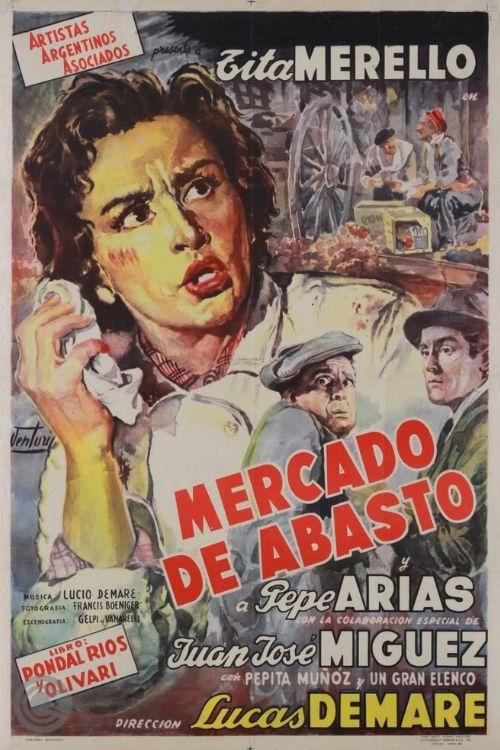
Mercado de abasto is a mid-century drama that adheres to the conventional narrative structures of 1950s Argentina. The story prioritizes individual domestic consequences and traditional moralistic storytelling over the subversion of social hierarchies. The film operates within established social norms, focusing on a heterosexual marriage and the fallout of criminal activity. It lacks representation of LGBTQ+ identities or a significant disruption of patriarchal or systemic power structures. While the setting provides a baseline for regional multiculturalism, the character dynamics remain rooted in traditional gendered clichés and individualistic moral conflicts.
Category Breakdown
The film focuses on a heterosexual relationship between a woman and a man. There is no evidence of LGBTQ+ identities or narratives that challenge traditional social norms.
The plot centers on a woman's struggle against a dominant male figure. While the protagonist plays a significant role in driving the story, the narrative relies on the cliché of a woman being ruined by a man's past actions.
Set in Buenos Aires, the film engages with the city's multicultural fabric. However, there is no evidence of diverse casting or the use of non-white protagonists to disrupt historical norms.
The story explores individual morality and criminality rather than systemic critique. The focus on organized crime serves as a cautionary tale within traditional moral frameworks rather than a deconstruction of power.
The narrative does not mention characters with visible or invisible disabilities.
Present on Screen
Limited or Absent
Official Synopsis
The action occurs in Abasto Market in Buenos Aires, Argentina. A grown up single woman marries a mafia man who promised her he would change. After they've married, his past come to ruin the wife's life.
1976
1992
1975
1955

1977

1946
1971
1951
No reviews yet. Be the first to share your thoughts on this movie!
Use the rating form above to leave a star rating and optional review.