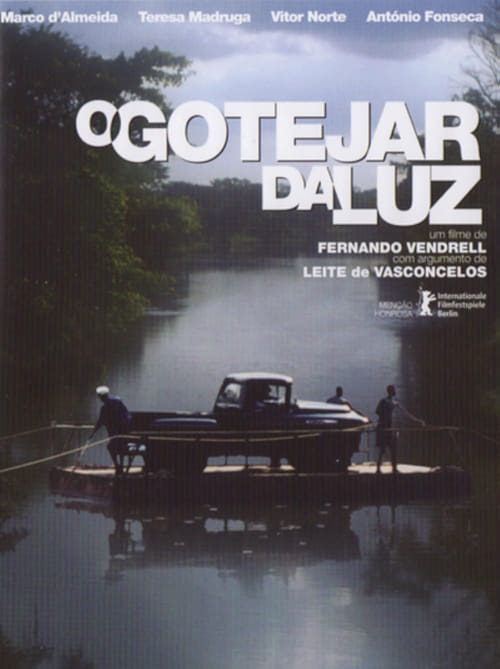
Light Drops
2002
No user ratings available yet
Representation score: 5.8 out of 10
Representation Score
Good
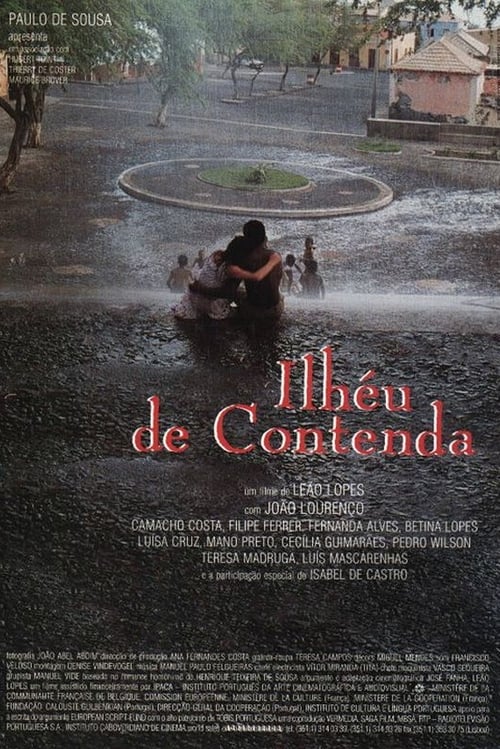
1999
Director
Leão Lopes
Runtime
110 minutes
Average Rating
No ratings yetNew Showbiz Analysis
The film offers a deep look into identity formation during Cape Verde's mid-20th-century social changes. Its main strength lies in its nuanced exploration of overlapping identities, particularly through the emergence of a hybrid class that challenges colonial-era hierarchies. While the film excels in depicting complex racial and cultural shifts, it lacks specific visibility for LGBTQ+ identities and disability representation. The narrative focuses primarily on socio-economic and class-based transformations. Overall, the film is a significant piece of post-colonial storytelling, effectively using the power transition to explore how new, multi-ethnic identities arise from the remnants of traditional aristocratic land ownership.
Category Breakdown
The film focuses mainly on class struggle and social hierarchy without mentioning queer identities or non-straight relationships.
The movie portrays a society in transition, but it doesn't explicitly highlight women's roles. The inclusion of Cesária Évora’s music adds a sense of female cultural influence.
The film stands out by exploring the complex 'mulatto' class. It goes beyond simple racial binaries to celebrate a blend of African and Portuguese heritage.
This post-colonial narrative emphasizes local identity over colonial norms. It examines social change through cultural blending and the breakdown of old aristocratic systems.
There is no information about characters with physical or neurodivergent disabilities.
Present on Screen
Limited or Absent
Official Synopsis
Cape Verde, 1964. At the feet of a mighty volcano, the traditional Cape Verdean society is undergoing a steady change. The old land-owning aristocracy is disintegrating. A class of "mulattos" begins to emerge, with a trade-based financial power that threatens the landlords. A new identity arises, a mix of old and new, of African and Portuguese culture, sensual and dynamic. The songs of Cesária Évora follow this inevitable transformation. From the novel by Henrique Teixeira de Sousa.
2002

2014
1956
1966
1962
1991
1982

1977
No reviews yet. Be the first to share your thoughts on this movie!
Use the rating form above to leave a star rating and optional review.