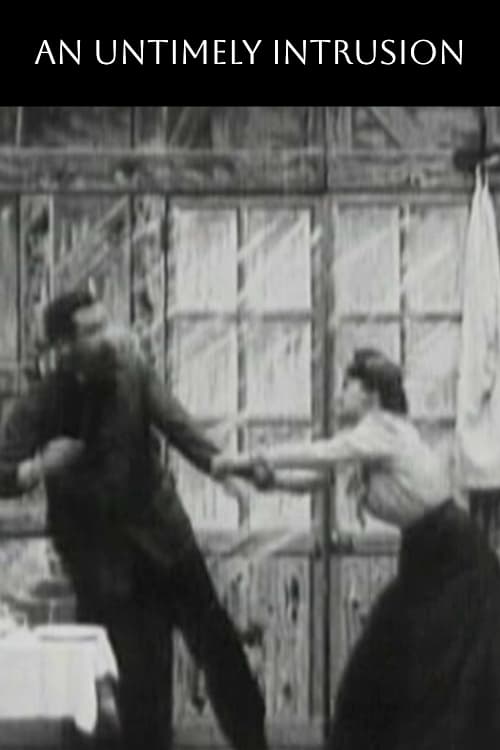
An Untimely Intrusion
1902
No user ratings available yet
Representation score: 2.7 out of 10
Representation Score
Limited
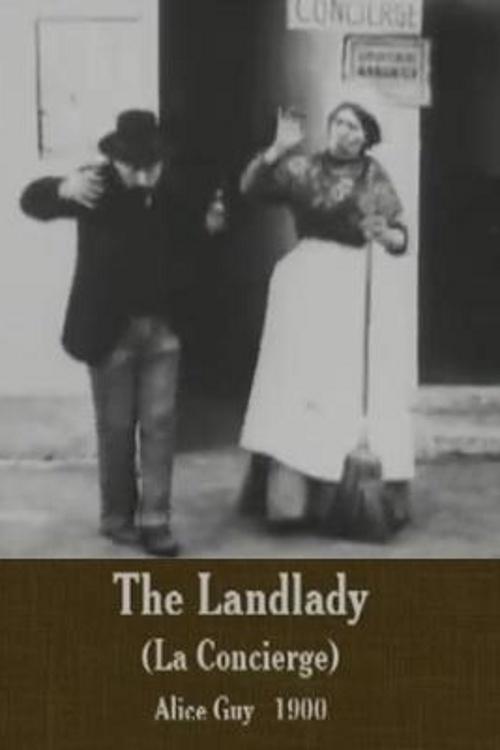
1900
Director
Alice Guy-Blaché
Runtime
1 minutes
Average Rating
No ratings yetNew Showbiz Analysis
Alice Guy-Blaché’s direction provides a foundational layer of progressive intent. By centering the story on a female figure of authority, the film disrupts the male-dominated structure of early cinema through the central role of a woman. However, the work remains culturally traditional and lacks depth in representing diverse identities. The casting and social themes reflect the homogeneous demographic norms and social constraints of 1900. Ultimately, the film stands as a historical milestone for female-led narrative authority, even if it does not meet modern standards for multifaceted representation.
Category Breakdown
The film does not include any characters with non-straight or non-cisgender identities. It focuses on domestic situations without any explicit queer subtext or narratives that challenge heteronormativity.
The story centers around a female landlady who holds a position of authority and management. This portrayal challenges traditional gender hierarchies by making her the central driver of the plot.
The production reflects the homogeneous demographic norms of early European cinema. There is no evidence of non-white or non-Anglo-Saxon actors in the film.
The film operates within a traditional domestic framework and localized social structure. It depicts typical social interactions of the time without challenging institutional morality.
There is no documentation of characters with visible or invisible disabilities being used as plot devices or central figures in the film.
Present on Screen
Limited or Absent
Official Synopsis
A landlady is taunted by neighborhood kids.
1902
1897
1905
1906
1900
1905
1899

1909
No reviews yet. Be the first to share your thoughts on this movie!
Use the rating form above to leave a star rating and optional review.