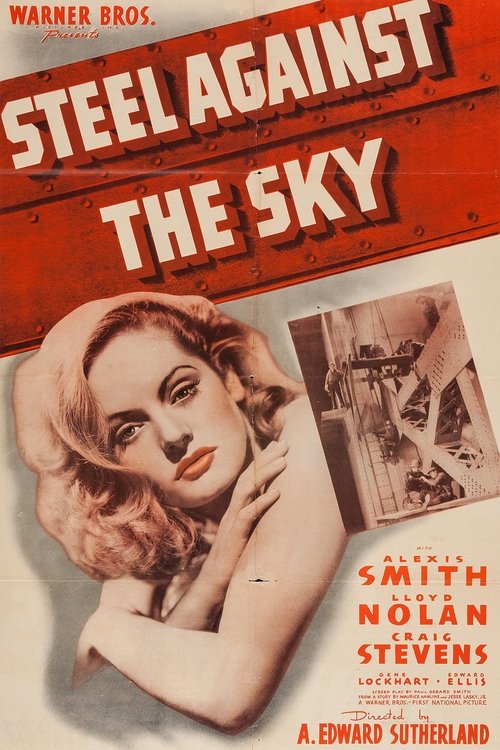
Steel Against the Sky
1941
No user ratings available yet
Representation score: 0.8 out of 10
Representation Score
Limited
1938
NRDirector
George Marshall
Runtime
84 minutes
Average Rating
No ratings yetNew Showbiz Analysis
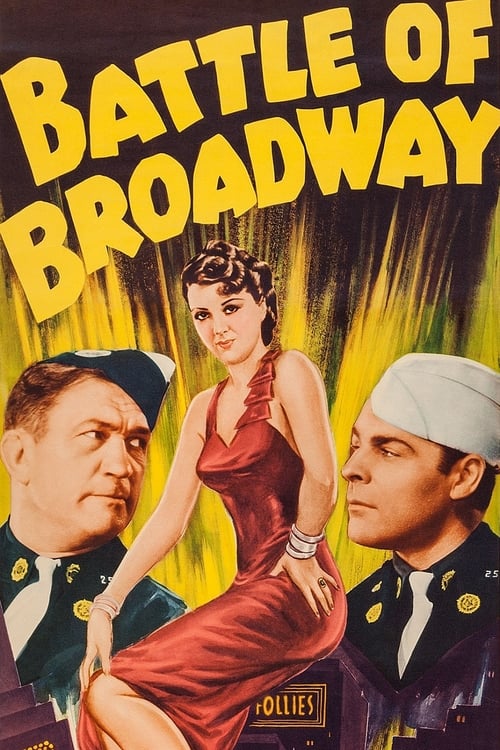
Battle of Broadway is a typical product of the 1938 studio system, emphasizing escapism and established social hierarchies. The film's structure reinforces traditional patriarchal authority and conventional romantic clichés common to the era. While the casting of Hattie McDaniel offers a notable point of historical inclusion, the film does not attempt to subvert the era's standard moral or social frameworks. It functions primarily as a vehicle for traditional family and industrialist-led narratives.
Category Breakdown
The film does not include any LGBTQ+ characters or narratives. The plot revolves around traditional romantic conflicts between a son and a showgirl.
The narrative power lies with male figures, particularly a wealthy industrialist who controls his son's life. Female performers like Gypsy Rose Lee are present but exist within a male-dominated hierarchy.
Hattie McDaniel's inclusion provides a significant historical baseline for Black representation. However, the film reflects the era's systemic constraints on character's ability to drive the story and complexity.
The story upholds traditional Western values and social stability. It centers on preserving family and capitalist structures without challenging them.
There are no characters with visible or invisible disabilities in the narrative.
Present on Screen
Limited or Absent
Official Synopsis
The wealthy owner of a Pennsylvania steel business travels to New York to break up his son's romance with a showgirl. Director George Marshall's 1938 comedy stars Victor McLaglen, Brian Donlevy, Gypsy Rose Lee, Raymond Walburn, Hattie McDaniel, Lynn Bari, Robert Kellard, Jane Darwell, Andrew Tombes, Esther Muir and Frank Moran.
1941

1933

1940
1938
1932

1935

1935
1936
No reviews yet. Be the first to share your thoughts on this movie!
Use the rating form above to leave a star rating and optional review.